Introduction
Your car talks to you in small ways. A flickering light. A strange smell. A little knock under the hood. Most drivers ignore these signs until something breaks down on the highway. That is usually when oil change services become the topic of every conversation in the garage.
Oil change services sound simple, but they protect your engine in ways most people never think about. Fresh oil reduces friction. It carries away heat. It keeps tiny metal parts from grinding against each other every time you start your car. Skip it for too long, and you risk expensive repairs that cost far more than a routine service ever would.
In this article, you will learn what oil change services actually involve, how companies in this space operate, who the major players are, and why regular maintenance protects both your car and your budget. By the end, you will know exactly what to look for the next time you book an appointment.
What Are Oil Change Services?
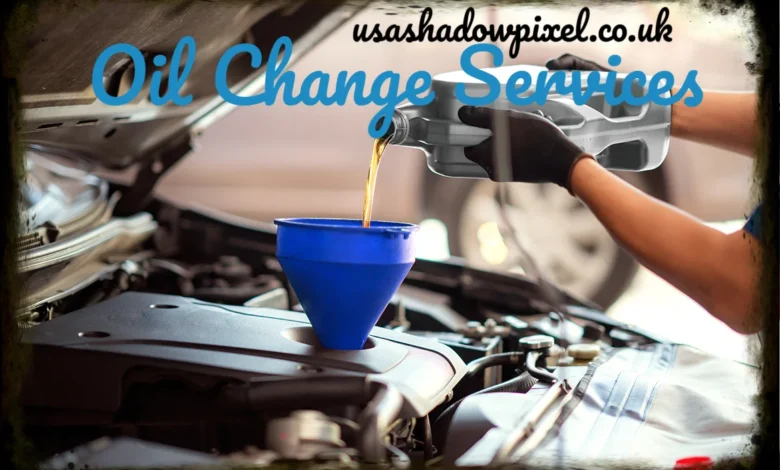
Oil change services replace the old, dirty oil in your engine with clean oil. Technicians also check or replace the oil filter, inspect fluid levels, and often look at other components like belts and brakes.
Most cars need an oil change every 3,000 to 7,500 miles depending on the oil type and driving conditions. Synthetic oil tends to last longer than conventional oil, so the exact number depends on your vehicle and how you drive it.
A typical oil change service includes:
- Draining old oil from the engine
- Replacing the oil filter
- Adding fresh oil to the correct level
- Checking for leaks
- Inspecting other fluids like coolant and brake fluid
- Resetting the oil change reminder light
Some shops add extra checks like tire pressure, wiper blades, and battery health. These small additions often turn a basic visit into a full vehicle inspection.
Company Introduction
Let’s take a closer look at how a typical oil change services company operates, using a well structured example we will call QuickShine Auto Care.
QuickShine Auto Care started as a single garage in a small town. The founders noticed that drivers often delayed oil changes simply because booking an appointment felt like a hassle. They built their entire business around speed, convenience, and transparency.
Today, QuickShine operates multiple locations and serves thousands of customers every month. The company built its reputation by keeping wait times short and prices clear. You can walk in without an appointment, get your oil changed in under thirty minutes, and leave with a printed report showing exactly what was checked.
This kind of customer first approach reflects where the entire oil change services industry is heading. People want speed, honesty, and a clear explanation of what they are paying for.
Services and Products Offered
A strong oil change services company never limits itself to just oil. Most successful providers offer a full menu of maintenance options so customers can handle several small jobs in one visit.
Core Oil Change Options
- Conventional oil change: Best for older vehicles or budget conscious drivers
- Synthetic blend oil change: A middle ground between cost and performance
- Full synthetic oil change: Ideal for newer engines and longer intervals between visits
- High mileage oil change: Formulated for vehicles over 75,000 miles
Additional Maintenance Services
Many oil change services companies also offer:
- Oil filter replacement
- Air filter replacement
- Tire rotation
- Fluid top offs
- Battery testing
- Wiper blade replacement
- Brake inspection
I have noticed that companies offering this bundled approach tend to build stronger customer loyalty. People appreciate getting several small jobs done at once instead of scheduling separate visits for each task.
Mobile and On Demand Services
The industry has also expanded into mobile oil change services, where a technician comes directly to your home or office. This trend grew quickly after the pandemic, when people preferred staying close to home rather than visiting a shop. Mobile services now make up a growing share of the market, especially in busy cities where parking and traffic make traditional visits inconvenient.
Market Position
The oil change services industry sits within the larger automotive maintenance sector, which continues to grow steadily every year. According to industry research, the global automotive oil change market is expected to keep expanding as vehicle ownership rises across emerging economies.
Several factors shape where companies position themselves in this market.
Location Based Competition
Most oil change companies compete heavily on location. Drivers rarely travel far for a routine service, so companies fight for visibility along busy roads, near shopping centers, and inside large parking lots.
Brand Trust
Trust plays a huge role in this industry. Many drivers stick with the same provider for years simply because they trust the technicians and feel confident the job gets done correctly. A single bad experience, like upselling unnecessary services, can push a customer away permanently.
Price Sensitivity
Oil change services attract price sensitive customers. Because the service is routine and somewhat standardized, many drivers compare prices closely before choosing a provider. Companies that offer clear, upfront pricing tend to win more repeat business.
QuickShine, for example, positioned itself as a transparent, no pressure alternative to dealerships, where customers often feel pushed into expensive add ons. This positioning helped the company grow quickly in markets where trust in big dealership service centers had eroded.
Revenue Model
Understanding how oil change services companies make money helps explain why the industry behaves the way it does.
Service Based Revenue
The most obvious revenue stream comes directly from the oil change itself. Companies charge a base fee depending on the type of oil used, then add charges for filters, additional fluids, or extra services.
Upselling and Add Ons
Many companies generate a significant portion of their revenue from add on services. Common upsells include:
- Premium synthetic oil upgrades
- Cabin air filter replacement
- Fuel system cleaning
- Coolant flushes
- Transmission fluid service
While some customers feel frustrated by upselling, ethical companies present these options clearly without pressure. The best providers explain why a service might help rather than pushing it aggressively.
Membership and Subscription Models
A newer trend in oil change services involves subscription based pricing. Customers pay a flat monthly or yearly fee and receive unlimited oil changes within that period. This model creates predictable revenue for companies and encourages customer loyalty, since drivers feel like they are getting more value the more often they visit.
Franchise Revenue
Large oil change chains often rely on franchising. The parent company earns revenue through franchise fees, royalties, and supply agreements, while individual franchise owners handle daily operations. This model allows national brands to expand quickly without taking on the full cost of opening new locations themselves.
Competitors
The oil change services market includes a wide range of players, from massive national chains to small independent garages.
National Chains
Large chains dominate brand recognition. They benefit from marketing budgets, standardized training, and consistent service across locations. Customers often choose these chains simply because they recognize the name and trust the consistency.
Dealership Service Centers
Dealerships offer oil change services as part of their broader maintenance department. They often charge higher prices but appeal to customers who want technicians specifically trained on their vehicle brand.
Independent Garages
Independent shops compete through personalized service and often lower prices. Many customers prefer these shops because they feel like they are supporting a local business and receiving more attentive care.
Mobile Oil Change Startups
Newer mobile oil change companies compete by offering pure convenience. They target busy professionals and people who simply prefer not dealing with shop visits at all.
Each competitor type appeals to a different customer mindset. Price focused drivers gravitate toward independent shops. Convenience focused drivers choose mobile services. Brand focused drivers stick with dealerships or recognizable chains.
Future Plans
The oil change services industry continues to evolve alongside changes in vehicle technology and consumer habits.
Expansion Into Electric Vehicle Maintenance
As electric vehicles grow in popularity, traditional oil change companies face a long term challenge. Electric vehicles do not need oil changes, so companies are beginning to expand their service offerings to include EV specific maintenance like tire rotations, brake inspections, and battery health checks.
Greater Use of Technology
Many companies now use digital booking systems, automated reminders, and detailed digital service reports. This shift makes the entire process more transparent and convenient for customers who expect a smooth, app based experience similar to other industries.
Sustainability Initiatives
Environmental concerns are pushing companies toward better oil recycling practices. Many providers now highlight their commitment to recycling used oil responsibly, which appeals to environmentally conscious customers.
Continued Growth in Mobile Services
Mobile oil change services will likely continue expanding, especially in urban areas where convenience matters most. Companies that invest early in this model position themselves well for future growth.
Benefits of Regular Oil Change Services
Many drivers underestimate just how much value comes from staying consistent with oil change services. Here are the biggest benefits you gain by staying on schedule.
Extended Engine Life
Fresh oil reduces friction between engine parts. Over time, this protection helps your engine last significantly longer, saving you from expensive repairs or premature replacement.
Improved Fuel Efficiency
Clean oil helps your engine run smoothly, which improves fuel efficiency. Dirty oil creates extra friction, forcing your engine to work harder and burn more fuel.
Better Performance
You will likely notice smoother acceleration and quieter engine operation after a fresh oil change. Many drivers describe their car feeling noticeably more responsive.
Lower Repair Costs
Routine oil change services help you catch small problems early. Technicians often spot leaks, worn belts, or low fluid levels before they turn into expensive repairs.
Maintained Resale Value
A documented service history increases your car’s resale value. Buyers feel more confident purchasing a vehicle with consistent maintenance records, especially regular oil change history.
Peace of Mind
Knowing your engine is properly maintained gives you confidence every time you start your car. You reduce the risk of unexpected breakdowns, especially during long trips.
Conclusion
Oil change services protect far more than just your engine. They protect your wallet, your safety, and your peace of mind every time you turn the key. Companies in this space continue evolving, offering faster service, clearer pricing, and even mobile convenience that brings the garage straight to your driveway.
Whether you choose a national chain, a dealership, an independent shop, or a mobile provider, staying consistent matters more than which company you choose. Regular oil change services keep your engine running smoothly for years to come.
So when was your last oil change? If you cannot remember the exact date, that might be your sign to schedule one this week. Share this article with someone who keeps pushing their oil change off another month. Their engine will thank you later.
FAQs
How often should I get an oil change?
Most vehicles need an oil change every 3,000 to 7,500 miles, depending on the oil type and your driving habits. Check your owner’s manual for the exact recommendation.
What happens if I skip an oil change?
Old oil becomes thick and dirty, increasing friction inside your engine. This can lead to overheating, reduced performance, and expensive long term damage.
Is synthetic oil worth the extra cost?
Synthetic oil lasts longer and performs better in extreme temperatures. Many drivers find the extra cost worthwhile because they need fewer oil changes overall.
How long does an oil change take?
A standard oil change usually takes between fifteen and thirty minutes at most shops. Mobile services may take slightly longer since the technician travels to you.
Can I do my own oil change at home?
Yes, many drivers change their own oil with the right tools and a bit of patience. However, professional oil change services often include inspections you might miss on your own.
Do electric vehicles need oil changes?
No, electric vehicles do not use traditional engine oil, so they skip this maintenance step entirely. They still need other regular maintenance like tire rotations and brake checks.
What is the average cost of an oil change?
Prices vary widely depending on oil type and location, but conventional oil changes typically cost less than synthetic options. Many companies offer transparent pricing online before you even book an appointment.
Should I choose a dealership or an independent shop?
Dealerships often charge more but specialize in your specific vehicle brand. Independent shops usually cost less and provide more personalized service.
Are mobile oil change services reliable?
Yes, reputable mobile oil change companies bring trained technicians equipped with the same tools used in traditional shops. Always check reviews before booking to ensure quality service.
What additional checks should happen during an oil change?
A thorough oil change visit should include checks for tire pressure, fluid levels, brake condition, and visible leaks. These extra checks help catch small issues before they grow into bigger problems.
also read: usashadowpixel.co.uk
email: johanharwen@314gmail.com
Author Name: Sarah Mitchell
About the Author : Sarah Mitchell is writes about automotive care and everyday vehicle maintenance, helping drivers make informed decisions about keeping their cars in top condition. With years of experience covering the auto service industry, she focuses on breaking down technical topics into practical, easy to follow advice for everyday drivers.