
Planning a trip to South America often means juggling several currencies, and Paraguay is no exception. If you land in Asuncion with only US dollars in your wallet, you might struggle to pay for a taxi or a quick snack. Understanding Paraguay currency before you arrive saves you time, stress, and unnecessary fees.
In this guide, you will learn everything about the Paraguayan Guarani, including its history, coins, banknotes, and current exchange rates. We will also cover where to exchange money safely, whether US dollars work locally, and if cash or card payments serve you better. By the end, you will feel fully prepared to handle money matters during your visit.
What Is the Currency of Paraguay?
The official currency of Paraguay is the Paraguayan Guarani, abbreviated as PYG. Locals often just call it Guarani. The currency symbol looks like Gs and appears on price tags and receipts throughout the country.
Paraguay uses this currency exclusively for daily transactions. You will rarely see prices listed in any other currency outside of major hotels or tourist agencies. source: Wise
Paraguayan Guaraní (PYG)
The Guarani holds an interesting position among South American currencies. It does not use decimal subdivisions in everyday practice, even though it technically divides into centimos. Most prices appear as large whole numbers, since one US dollar equals thousands of Guarani.
This naming comes from the indigenous Guarani people, who lived in the region long before European colonization. The currency name honors their cultural legacy and connects modern Paraguay to its roots.
Quick Facts About the Guarani
- Currency code: PYG
- Symbol: Gs
- Subunit: Centimo (rarely used)
- Issuing authority: Central Bank of Paraguay
History of the Paraguayan Guaraní
Paraguay introduced the Guarani in 1943, replacing the previous peso. The change aimed to stabilize the economy after years of currency instability. Since then, the Guarani has remained the sole legal tender in the country.
Inflation hit Paraguay hard in past decades, which explains why prices often involve large numbers today. A simple coffee might cost several thousand Guarani, which can feel overwhelming for first time visitors. I remember feeling confused the first time I saw a price tag with six digits, until I realized it converted to just a few dollars.
The Central Bank of Paraguay manages monetary policy and currency issuance. It works to keep inflation under control while supporting steady economic growth.
Coins in Paraguay
Coins play a smaller role in Paraguay compared to banknotes. Many locals avoid using coins altogether due to their low value.
Common coin denominations include:
- 50 Guarani
- 100 Guarani
- 500 Guarani
- 1,000 Guarani
You may notice some businesses round prices instead of giving exact coin change. This practice remains common in smaller shops and markets.
Banknotes
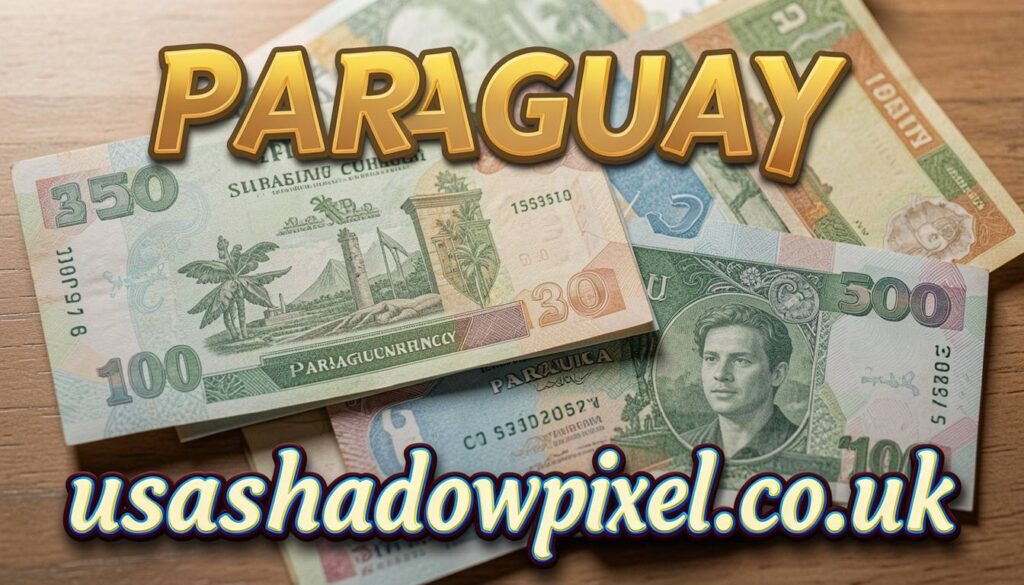
Banknotes form the backbone of cash transactions in Paraguay. The Central Bank issues several denominations to cover a wide range of daily expenses.
Current banknotes include:
- 2,000 Guarani
- 5,000 Guarani
- 10,000 Guarani
- 20,000 Guarani
- 50,000 Guarani
- 100,000 Guarani
Higher denomination notes work well for larger purchases, while smaller ones suit daily expenses like meals or transportation. Always carry a mix of notes, since smaller vendors may not have change for large bills.
Current Exchange Rate
As of mid 2026, one US dollar converts to roughly 6,000 to 6,200 Paraguayan Guarani. This rate shifts daily based on market conditions, so checking a live converter before major purchases helps you avoid surprises.
Exchange rates depend on several factors, including:
- Global market trends
- Paraguay’s central bank policies
- Local inflation rates
- Regional economic performance
Rates can move significantly over a year. The dollar reached over 6,800 Guarani in late 2025, then dropped closer to 6,000 by mid 2026. Keeping an eye on trends helps you time larger conversions wisely.
Currency Converter
Using a reliable currency converter saves you from doing manual math during your trip. Popular options include Xe, Wise, and Google’s built in converter.
Here is a quick example using a recent rate.
- 1 USD equals approximately 6,100 PYG
- 100 USD equals approximately 610,000 PYG
- 500 USD equals approximately 3,050,000 PYG
These numbers shift daily, so always check a live source right before exchanging money. I personally bookmark a converter app on my phone whenever I travel, since it saves me from awkward math at the register.
Where to Exchange Money in Paraguay
You have several safe options for exchanging foreign currency once you arrive.
Banks
Banks offer secure exchanges but often come with longer wait times. Bring your passport, since identification is usually required.
Currency Exchange Houses
Known locally as casas de cambio, these offices specialize in fast currency exchange. They often provide better rates than hotels and operate with flexible hours.
Airports
Airport exchange counters offer convenience but typically charge higher fees. Use them only for small amounts needed right after landing.
ATMs
ATMs provide a simple way to withdraw Guarani directly using your debit card. Check with your bank beforehand about foreign transaction fees to avoid unexpected charges.
Can You Use US Dollars in Paraguay?
Some tourist focused businesses accept US dollars, especially in Asuncion and Ciudad del Este. However, you should not rely on dollars for everyday purchases.
Most local shops, restaurants, and transportation services expect payment in Guarani. Carrying local currency ensures smoother transactions and often gets you better prices than paying in dollars.
If you do use dollars, expect change to come back in Guarani at a less favorable rate. Exchanging your dollars beforehand usually saves you money in the long run.
Cash vs Card Payments
Both cash and cards have their place during a Paraguay visit. Choosing the right option depends on where you plan to shop.
When Cash Works Best
- Local markets and street vendors
- Small restaurants and cafes
- Public transportation
- Rural areas with limited card infrastructure
When Cards Work Best
- Hotels and larger restaurants
- Shopping malls and supermarkets
- Car rental services
- Online bookings before your trip
Many visitors find a mix of both methods works best. Keep enough cash for daily small expenses, but use a card for larger or planned purchases.
Final Thoughts
Understanding Paraguay currency before your trip makes everyday spending much easier. From the history of the Guarani to practical tips on exchanging money, you now have the tools to handle transactions confidently. Always check current exchange rates, carry a mix of cash and cards, and choose reputable exchange locations.
Have you traveled to Paraguay before, or are you planning your first visit soon? Share your experience below, or pass this guide along to a friend preparing for their own trip.
FAQs
What is the currency symbol for Paraguay? The symbol Gs represents the Paraguayan Guarani on price tags and receipts.
Is the Paraguayan Guarani a strong currency? The Guarani remains relatively stable compared to some regional currencies, though it experiences regular fluctuations against the US dollar.
How many Guarani make one US dollar? The exchange rate typically falls between 6,000 and 6,200 Guarani per US dollar, though this changes daily.
Can I exchange Euros for Guarani in Paraguay? Yes, banks and currency exchange houses in major cities accept Euros, though US dollars usually offer better rates.
Do ATMs in Paraguay accept foreign cards? Most ATMs in Asuncion and larger cities accept international debit and credit cards, though fees may apply.
Is it safe to carry large amounts of cash in Paraguay? It is safer to carry smaller amounts and use ATMs or cards for larger expenses, especially in unfamiliar areas.
What is the smallest Guarani banknote? The smallest commonly used banknote is the 2,000 Guarani note.
Should I exchange money before arriving in Paraguay? Exchanging a small amount beforehand helps cover initial expenses, but better rates often appear once you arrive locally.
also read: usashadowpixel.co.uk
email: johanharwen@314gmail.com
Author Name: Daniel Reyes
About the Author : Daniel Reyes is a travel and finance writer who has covered South American destinations for over six years. He focuses on practical money guides that help travelers navigate currencies, budgeting, and local payment customs with confidence.