Introduction
Nothing ruins a hot afternoon like reaching for ice and finding an empty bin. If your samsung refrigerator ice maker has stopped producing ice, you are not alone. This is one of the most common complaints among refrigerator owners, and the good news is that most issues have simple explanations. Some problems take just five minutes to fix. Others need a bit more patience.
In this article, you will learn what a Samsung ice maker actually is and how it works. You will also discover why it stops making ice, how to reset it properly, and how to deal with a frozen unit. We will walk through common problems, step by step troubleshooting, and maintenance tips that keep your ice maker running smoothly for years. By the end, you will know exactly when a DIY fix works and when it is time to call a professional.
What Is A Samsung Refrigerator Ice Maker
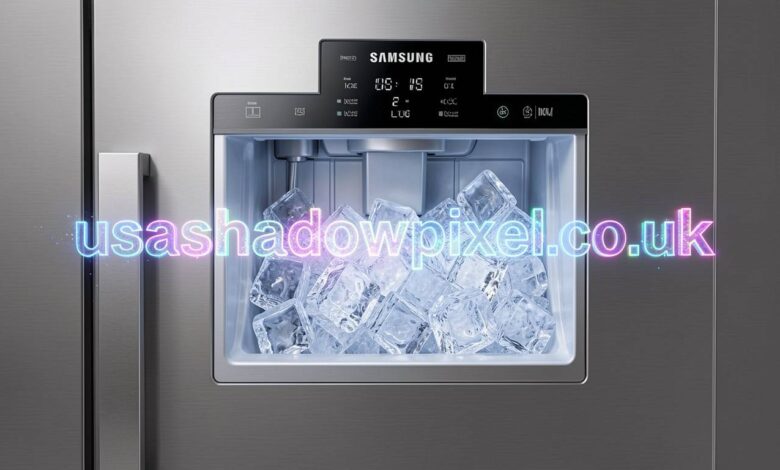
A Samsung refrigerator ice maker is a built in appliance feature that automatically produces ice cubes without you lifting a finger. It sits inside the freezer compartment or built into the door, depending on your model. Water flows into the unit, freezes into cube shapes, and then drops into a storage bin for easy access.
Most Samsung models use one of these ice maker types:
- Standard freezer ice makers, installed inside the top or bottom freezer
- Door mounted ice makers, common in French door refrigerators
- Twin cooling ice makers, which use separate air systems for the fridge and freezer
Each type works a little differently, but they all rely on the same basic cycle of water, freezing, and ejection. source: Samsung
How The Ice Maker Works
Understanding the process helps you spot problems faster. Here is a simple breakdown of how it works.
- A water inlet valve opens and lets water flow into the ice mold.
- The mold sits inside a cold compartment where temperatures drop below freezing.
- Once the water freezes solid, a heating element gently warms the mold.
- This slight warmth loosens the ice so it can be ejected.
- A motor turns and pushes the ice cubes out into the storage bin.
- A sensor detects the bin is full and pauses the cycle until you use some ice.
This cycle repeats every 90 minutes or so under normal conditions. When something interrupts any step, ice production slows down or stops completely.
Why Is The Ice Maker Not Making Ice
There are several reasons your samsung refrigerator ice maker might stop working. Let us look at the most common culprits.
Water Supply Issues
If the water line is blocked, kinked, or frozen, water cannot reach the ice mold. Check behind the fridge for a bent hose or a closed shutoff valve.
Clogged Water Filter
A dirty or expired filter restricts water flow. Samsung recommends replacing filters every six months for best performance.
Freezer Temperature Too High
Ice makers need freezer temperatures around 0 degrees Fahrenheit or minus 18 degrees Celsius. If the freezer runs warmer, ice will not form properly.
Faulty Water Inlet Valve
This valve controls water flow into the unit. If it fails, no water enters the mold at all.
Ice Maker Turned Off
It sounds obvious, but many people accidentally switch off the ice maker using the control panel or the arm switch.
How To Reset The Samsung Ice Maker
Resetting the ice maker solves many minor glitches. Follow these steps. usashadowpixel
- Locate the reset button, usually found on the ice maker unit itself or behind the ice bin.
- Press and hold the button for about three seconds.
- Wait for a light to flash or a sound to confirm the reset.
- Close the freezer door and allow 24 hours for the cycle to restart fully.
Some newer Samsung models let you reset through the display panel. Look for a Test or Force Cycle option in the settings menu.
How To Fix A Frozen Ice Maker
A frozen ice maker is one of the most frustrating problems, but it is usually fixable at home.
- Turn off the ice maker and unplug the refrigerator for safety.
- Remove the ice bin and check for solid ice blocking the auger or mold.
- Use a hairdryer on low heat to melt the ice gently. Keep it a safe distance away from plastic parts.
- Dry all components completely before reassembling.
- Plug the fridge back in and reset the ice maker as described above.
If ice keeps forming again quickly, the problem may be a faulty door seal letting warm air in.
Common Samsung Ice Maker Problems And Solutions
| Problem | Likely Cause | Solution |
|---|---|---|
| No ice at all | Water valve or filter issue | Check water line and replace filter |
| Ice tastes bad | Old filter or dirty bin | Replace filter and clean bin |
| Ice cubes are small | Low water pressure | Check supply line pressure |
| Loud noises | Ice jammed in auger | Clear ice manually and reset |
| Ice maker leaks | Improper door seal | Inspect and replace door gasket |
Step By Step Troubleshooting Instructions
When your ice maker acts up, follow this order to save time.
- Check the power. Make sure the ice maker switch is on.
- Inspect the water line for kinks, freezing, or disconnection.
- Test water pressure by dispensing water from the door. Weak flow points to a supply problem.
- Check freezer temperature using an appliance thermometer.
- Reset the ice maker using the steps above. VISIT…
- Listen for the motor. A humming sound with no ice movement suggests a jam.
- Inspect the auger and mold for ice buildup.
- Replace the water filter if it has been more than six months.
Working through these steps in order helps you narrow down the exact cause instead of guessing.
Maintenance Tips To Prevent Future Issues
A little upkeep goes a long way. I always tell people that ice makers fail less often when you treat them like any other appliance that needs attention.
- Replace the water filter every six months without fail.
- Clean the ice bin monthly with warm soapy water.
- Check door seals twice a year for gaps or wear.
- Avoid overloading the freezer, since blocked airflow affects ice production.
- Empty and refill the ice bin occasionally to prevent clumping.
- Keep the freezer temperature consistent and avoid frequent door opening.
These small habits prevent most major problems before they start.
Common Causes Of Ice Maker Failure
Beyond daily wear, a few deeper issues can cause long term failure.
- Worn out water inlet valves after years of use
- Electrical faults in the control board
- Damaged door switches that stop the ice maker from sensing closure
- Compressor issues affecting overall freezer temperature
- Mineral buildup from hard water clogging internal parts
Knowing these causes helps you decide whether a fix is simple or if the appliance needs professional attention.
DIY Fixes Versus Professional Repairs
Many ice maker problems are simple enough to handle yourself. Resetting the unit, replacing a filter, or clearing frozen ice are all tasks most homeowners can do safely in under an hour.
However, some issues call for a trained technician. If you suspect a faulty control board, compressor problem, or wiring fault, professional repair is safer and often more reliable. Attempting electrical repairs without experience can cause more damage or void your warranty.
A good rule of thumb is this. If the fix involves water lines, filters, or resetting, try it yourself first. If it involves internal electronics or refrigerant systems, call a professional.
Conclusion
A malfunctioning samsung refrigerator ice maker does not have to ruin your day. Most problems come down to simple causes like a clogged filter, a frozen mold, or an accidental switch off. With the troubleshooting steps and maintenance tips above, you can solve many issues yourself and know when it is time to call in an expert.
Have you dealt with a stubborn ice maker before? Share your experience or tips in the comments, and pass this guide along to anyone who might need it.
Quick Q&A On Related Searches
Q: Why is my Samsung ice maker not dropping ice? A: A jammed auger or frozen mold usually blocks ice from dropping. Reset the unit and clear any visible ice.
Q: How often should I replace my Samsung water filter? A: Every six months keeps water flow steady and ice tasting fresh.
Q: Can I run my fridge without a water filter? A: Yes, but you may notice reduced water pressure or ice production, depending on your model.
Q: Why does my ice taste or smell strange? A: This often comes from an old filter, a dirty bin, or nearby strong smelling foods in the freezer.
Q: How long does it take for a new ice maker to start working? A: Expect up to 24 hours after installation or reset for full ice production to resume.
Q: Is a clicking noise normal for an ice maker? A: Occasional clicking during the cycle is normal. Constant clicking may signal a jammed motor.
Q: Should the ice maker arm be up or down? A: Down means on. Up means off. Check this first if ice production suddenly stops.
FAQs
1. How do I know if my Samsung ice maker is broken? Check for water flow, listen for motor sounds, and inspect for ice jams. No movement or sound often points to a valve or motor issue.
2. Can hard water damage my ice maker? Yes, mineral buildup from hard water can clog valves and reduce ice quality over time.
3. Why does my freezer have frost but no ice? Excess frost points to a temperature issue or a door seal that is not closing properly.
4. How long do Samsung ice makers usually last? With proper care, most units last between five and ten years before needing replacement.
5. Is it normal for ice maker cubes to look cloudy? Cloudy cubes usually mean trapped air or minerals in the water and are not harmful.
6. Can I manually add water to the ice maker? Some models allow this, but it is best to rely on the automatic water line for consistent results.
7. Why did my ice maker suddenly stop after working fine for years? This often signals a worn out valve, sensor issue, or aging control board.
8. Does resetting the ice maker delete stored ice? No, resetting only restarts the cycle. Existing ice remains in the bin.
also read: usashadowpixel.co.uk
email: johanharwen@314gmail.com
Author Name: Sarah Mitchell
About The Author : Sarah Mitchell is a home appliance writer with years of experience covering kitchen technology and household maintenance. She enjoys turning confusing repair manuals into simple, practical guides that everyday homeowners can actually use.