

Introduction
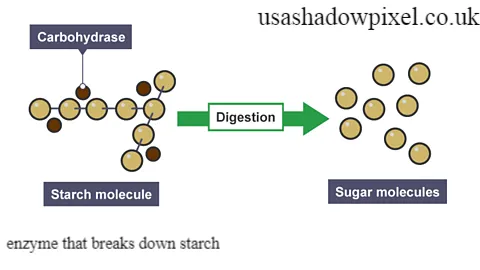
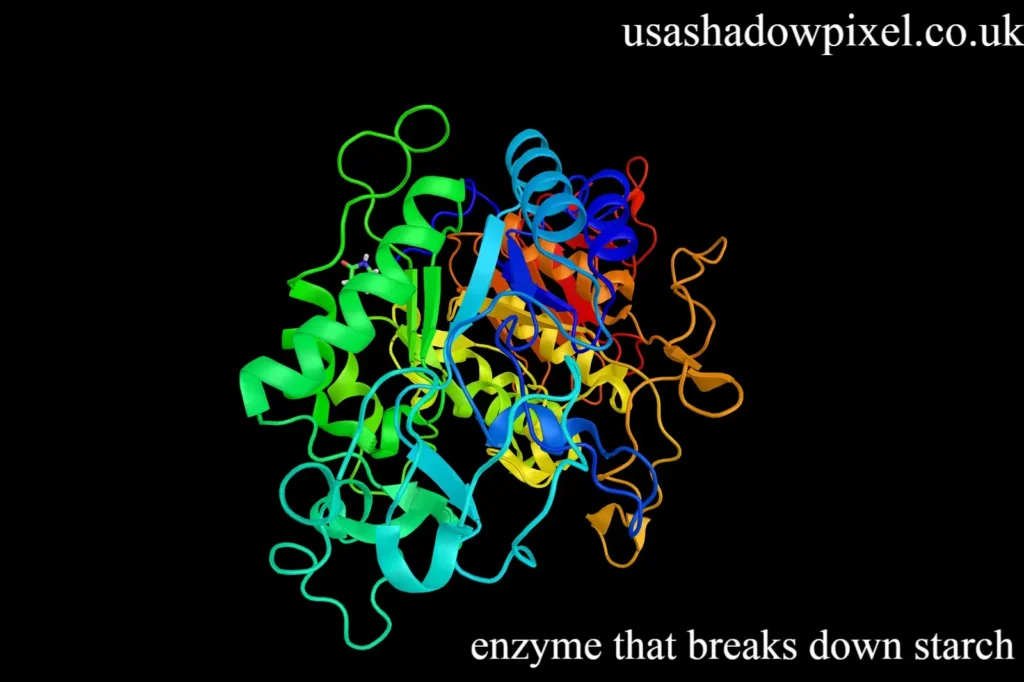
Have you ever wondered how your body turns bread, rice, potatoes, or pasta into usable energy? The answer starts with enzymes. The enzyme that breaks down starch is mainly called amylase. It begins working when you eat starchy foods and continues its job as food moves through your digestive system.
Amylase breaks large starch molecules into smaller carbohydrates. Your body can then process these smaller molecules and eventually absorb glucose for energy. Salivary glands produce salivary amylase, while your pancreas produces pancreatic amylase.
Understanding the enzyme that breaks down starch helps you see how digestion works from your mouth to your small intestine. It also explains why chewing food matters and why starch does not simply turn into sugar immediately.
In this guide, you will learn what amylase does, where starch digestion begins, how pancreatic enzymes help, and what happens when starch reaches your small intestine.
What Is the Enzyme That Breaks Down Starch?
The main enzyme that breaks down starch is amylenzyme that breaks down starchase.
Amylase belongs to a group of digestive enzymes called carbohydrases. It breaks starch into smaller carbohydrate molecules, including maltose and other shorter carbohydrate chains.
Your digestive system uses two major forms of amylase.
- Salivary amylase starts starch digestion in your mouth.
- Pancreatic amylase continues starch digestion in your small intestine.
Amylase does not usually break starch directly into glucose in one single step. Instead, it first breaks starch into smaller carbohydrates. Other enzymes then complete the process.
Does Amylase Break Down Starch?
Yes. Amylase breaks down starch by cutting specific chemical bonds within starch molecules.
Starch contains two major components called amylose and amylopectin. Both consist of long chains of glucose units. Amylase attacks these chains and produces smaller carbohydrate molecules.
You can think of starch as a long chain. Amylase acts like a molecular cutter that divides that chain into smaller sections.
This process makes carbohydrates easier for your digestive system to process.
What Products Does Amylase Produce?
Amylase can produce smaller carbohydrates such as maltose, maltotriose, and short carbohydrate fragments called dextrins.
The digestion process then continues with enzymes found on the surface of cells lining your small intestine. One important enzyme is maltase, which helps convert maltose into glucose.
The glucose can then enter your bloodstream and become available for energy. usashadowpixel
Where Does Starch Digestion Begin?
Starch digestion begins in your mouth.
When you chew food, your salivary glands release saliva. Saliva contains salivary amylase, which begins breaking starch into smaller carbohydrates.
Chewing also physically breaks food into smaller pieces. This increases the surface area available for enzymes.
That means taking time to chew can support the mechanical and chemical stages of digestion.
What Happens to Amylase in the Stomach?
When swallowed food reaches your stomach, the acidic environment gradually reduces the activity of salivary amylase.
The stomach primarily focuses on other digestive processes, especially protein digestion. As food mixes with stomach fluids, salivary amylase becomes much less active.
However, starch digestion does not stop permanently. It resumes when partially digested food enters the small intestine.
How Does Pancreatic Amylase Break Down Starch?
Your pancreas releases pancreatic amylase into the first section of the small intestine.
Pancreatic amylase continues breaking starch and related carbohydrate chains into smaller molecules. usashadowpixel
The small intestine provides an important environment for carbohydrate digestion. Other enzymes located along the intestinal lining then complete the breakdown of carbohydrates into simple sugars.
This final stage allows glucose and other simple sugars to become available for absorption.
Simple Starch Digestion Process
You can understand the process in four simple stages.
- Mouth: Salivary amylase begins starch digestion.
- Stomach: Acid reduces amylase activity.
- Small intestine: Pancreatic amylase continues starch digestion.
- Intestinal lining: Other enzymes produce simple sugars for absorption.
This coordinated process allows your body to extract energy from foods containing starch.
What Foods Contain Starch?
Many everyday foods contain starch. Common examples include: source: PubMed Central (PMC) (.gov)
| Food | Main carbohydrate characteristic |
|---|---|
| Rice | Rich in starch |
| Potatoes | Rich in starch |
| Bread | Contains significant starch |
| Pasta | Contains significant starch |
| Corn | Contains starch |
| Oats | Contains starch |
| Beans | Contains starch and fiber |
| Peas | Contains starch and fiber |
The amount and structure of starch can vary between foods. Cooking can also change the physical structure of starch and make it easier for digestive enzymes to access.
Why Is Starch Digestion Important?
Starch provides an important source of dietary carbohydrate. Your body can convert digestible starch into glucose, which cells use as an energy source.
Your brain, muscles, and other tissues depend heavily on glucose and other fuels to support normal function.
However, not every carbohydrate behaves exactly the same way. Some starch escapes digestion in the small intestine. This type is commonly called resistant starch.
Resistant starch can reach the large intestine, where gut microorganisms can ferment it.
This makes starch digestion more interesting than simply saying that all starch becomes glucose.
What Is the Difference Between Amylase and Other Digestive Enzymes?
Your digestive system uses different enzymes for different nutrients.
| Enzyme | Main nutrient target | Main role |
|---|---|---|
| Amylase | Starch | Breaks starch into smaller carbohydrates |
| Pepsin | Protein | Begins protein digestion in the stomach |
| Lipase | Fat | Breaks fats into smaller components |
| Maltase | Maltose | Produces glucose from maltose |
| Lactase | Lactose | Breaks lactose into simple sugars |
This division of work helps your digestive system process different nutrients efficiently.
Amylase focuses on starch and does not perform the same job as protein or fat digesting enzymes. source: Amano Enzyme Inc.
Does Cooking Affect Starch Digestion?
Yes. Cooking can change the structure of starch.
When starchy foods absorb water and heat, starch granules can swell and undergo a process called gelatinization. This can make starch more accessible to digestive enzymes.
Cooling some cooked starchy foods can also cause part of the starch to reorganize. This process can increase the amount of resistant starch.
Rice, potatoes, and pasta can therefore behave differently depending on how they are prepared, cooked, and stored.
Can You Find Amylase Outside the Human Body?
Yes. Amylase has many uses beyond human digestion.
Food manufacturers and biotechnology companies use amylase enzymes in several processes. These include baking, brewing, starch processing, and the production of certain sweeteners.
Amylase is also produced by many organisms, including plants, fungi, and microorganisms.
For example, industrial enzyme manufacturers produce amylase for food and biotechnology applications. Well known enzyme producers include companies such as Novozymes and DuPont, although commercial products and company portfolios can change over time.
The broad use of amylase shows how important starch degrading enzymes are beyond digestion.
What Happens If Amylase Activity Changes?
Your body normally produces digestive enzymes in a coordinated way. Amylase levels can also be measured in certain medical tests, particularly when healthcare professionals evaluate specific pancreatic or salivary gland conditions.
However, an amylase blood test does not diagnose every digestive problem. A healthcare professional must interpret the result alongside symptoms and other tests.
You should not assume that digestive discomfort automatically means you have low amylase activity.
If you regularly experience severe abdominal pain, persistent digestive symptoms, or unexplained changes in digestion, speak with a qualified healthcare professional.
Key Facts About Starch Digestion
Here are the most important points to remember.
- Amylase is the primary enzyme responsible for starting starch digestion.
- Salivary amylase begins working in your mouth.
- Stomach acid reduces salivary amylase activity.
- Pancreatic amylase continues starch digestion in the small intestine.
- Other intestinal enzymes complete carbohydrate digestion.
- Digestible starch can ultimately contribute to glucose availability.
- Resistant starch can reach the large intestine.
- Cooking can change starch structure and digestibility.
Frequently Asked Questions
What enzyme breaks down starch?
Amylase is the main enzyme that breaks down starch. Salivary amylase starts the process in your mouth, while pancreatic amylase continues it in the small intestine.
Does amylase break down starch into glucose?
Not directly in one step. Amylase first breaks starch into smaller carbohydrates. Other enzymes then help convert these products into glucose and other simple sugars.
Where does starch digestion begin?
Starch digestion begins in the mouth. Salivary glands release amylase into saliva, allowing starch digestion to start while you chew.
What enzyme breaks down starch in the small intestine?
Pancreatic amylase is the major enzyme involved in starch digestion in the small intestine. Additional enzymes on the intestinal lining complete carbohydrate digestion.
Does the stomach digest starch?
Starch digestion can continue briefly after food enters the stomach because salivary amylase may remain active until stomach acid and mixing reduce its activity.
What foods contain starch?
Rice, potatoes, bread, pasta, corn, oats, beans, and peas are common foods that contain starch.
Is starch the same as sugar?
No. Starch is a complex carbohydrate made from many glucose units. Digestive enzymes break starch into smaller carbohydrates and eventually simple sugars that your body can absorb.
Why is amylase important?
Amylase helps your body process dietary starch. Without carbohydrate digestion, your body would have difficulty making the glucose available from many common starchy foods.
Can humans digest all starch?
No. Some starch can resist digestion in the small intestine. This resistant starch can reach the large intestine and interact with gut microorganisms.
Conclusion
The enzyme that breaks down starch is primarily amylase, and it plays a central role in carbohydrate digestion. Salivary amylase starts working in your mouth, while pancreatic amylase continues the process in your small intestine.
Starch does not usually become glucose in one simple reaction. Instead, digestion happens through several coordinated steps involving amylase and other enzymes.
Once you understand this process, everyday foods such as rice, potatoes, bread, and pasta make more biological sense. Your digestive system uses specialized enzymes to turn complex carbohydrates into smaller molecules your body can use.
The next time you eat a starchy meal, remember that digestion starts before the food even reaches your stomach. The enzyme that breaks down starch is already at work while you chew.
Author Bio: Awais khan The author team creates clear, research informed content about nutrition, biology, digestion, and everyday health topics. Our goal is to make complex scientific information simple, useful, and easy to understand.
email: johanharwen@314gmail.com
Author Name: Awais khan
