Introduction
You know that feeling when your feet are screaming by 3pm and you still have hours left on them? That is exactly why so many people have switched to on cloud shoes over the past few years. They promise a soft, bouncy step that feels like walking on, well, a cloud, no matter how long your day stretches on.
But are these shoes actually worth the hype, or is this just clever marketing wrapped around foam? I have tested several pairs myself and talked to people who wear them for work, travel, and daily walks. Some swore by them after the very first wear. Others felt underwhelmed once the novelty wore off.
In this article, you will learn what on cloud shoes really are, how the cushioning works, who they help most, and where they might fall short for certain feet.
We will also cover the science behind the cushioning, compare them to regular sneakers, and answer the questions people search for most. By the end, you will know exactly whether on cloud shoes deserve a spot in your closet.
What Are on Cloud Shoes?
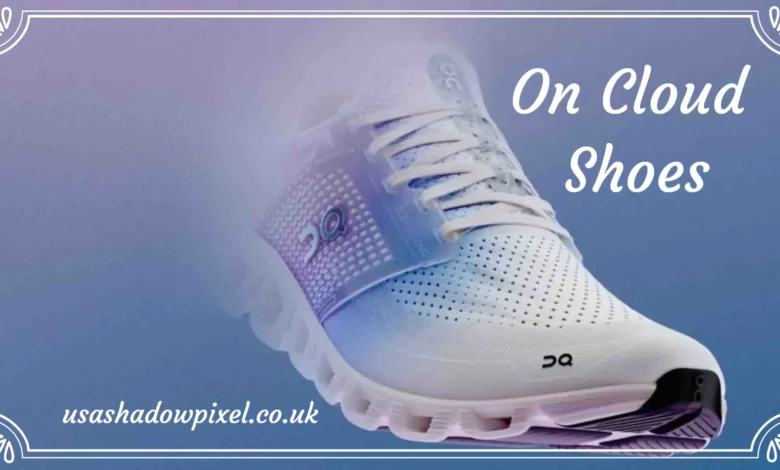
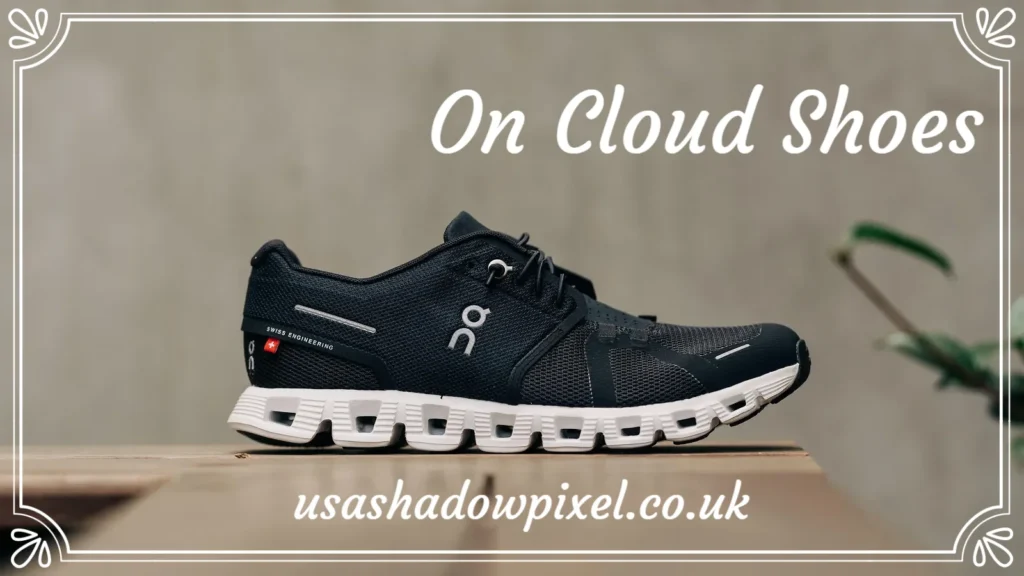
on Cloud shoes are a category of footwear built around soft, pillow like cushioning systems designed to absorb shock with every step. The name comes from the feeling they create underfoot, almost like your foot is sinking into a soft surface instead of hitting solid ground.
Most on cloud shoes use small pods or capsules built into the sole. These pods compress when your foot lands and then spring back as you push off. The result is a shoe that feels light, bouncy, and forgiving on hard surfaces like sidewalks, office floors, or airport terminals.
This is not just one specific shoe. It is a whole category that includes performance running shoes, casual sneakers, and even orthopedic walking shoes. Brands have built entire product lines around this cushioning idea because demand has grown so quickly.
Why the Cloud Trend Took Off
A few things pushed on cloud shoes into the mainstream. People started spending more time on their feet again after the pandemic, whether at work, traveling, or just walking more for fitness. At the same time, foot pain and joint discomfort became a bigger topic of conversation online.
on Cloud shoes filled a gap. They look clean and modern enough for everyday outfits, yet they feel cushioned enough for long shifts or long flights. That combination of style and comfort is hard to beat, and it explains why search interest in cloud shoes has stayed high.
How Cloud Shoe Technology Actually Works
Understanding the mechanics helps you decide if these shoes fit your needs. Most cloud shoe soles rely on a pod based midsole rather than one solid block of foam.
Here is the basic process during a single step.
- Your heel or midfoot lands on the sole.
- The hollow pods compress under your body weight.
- The compression absorbs some of the impact before it reaches your joints.
- As you push off, the pods spring back and release stored energy forward.
Podiatrist Priya Parthasarathy explains that cushioning like this is key to increasing shock absorption and reducing stress on ankles, heels, and toes. That stress reduction is the main selling point of the entire category.
Pods Versus Traditional Foam
It helps to compare this pod system with standard foam midsoles found in regular sneakers. Traditional foam compresses evenly across a wide surface area. Pod based soles compress at specific points, which changes how pressure spreads across your foot.
One podiatrist reviewing the technology pointed out that pod designs can offer less total impact absorption than equivalent height foam midsoles, since the pods absorb impact across a smaller contact area before reaching full compression.
This does not mean on cloud shoes are inferior. It means they behave differently depending on your foot type, walking style, and where you tend to land when you step. We will get into who benefits most a little further down.
Top Benefits on Cloud Shoes
Let’s break down the real advantages people notice once they switch.
All Day Comfort
The biggest reason people buy on cloud shoes is simple comfort. The pods reduce the jarring feeling you get from walking on concrete or tile for hours. Nurses, teachers, retail workers, and frequent travelers often mention this as their top reason for switching.
Lightweight Feel
Most on cloud shoes use lightweight uppers paired with hollow sole structures. This combination makes the shoe feel almost weightless compared to bulkier sneakers, which matters if you are on your feet all shift or walking through a busy airport.
Shock Absorption for Joints
Repeated impact on hard surfaces adds up over a day. According to the American Academy of Orthopaedic Surgeons, footwear lacking proper cushioning or support is a leading contributor to preventable foot and ankle conditions. on Cloud shoes aim to reduce that daily impact, which can ease pressure on knees and hips as well.
Versatile Style
Cloud shoes blend sporty design with casual style. You can wear them with jeans, leggings, or work outfits without looking like you are heading to the gym. This versatility is a big reason they have crossed over from athletes into everyday wear.
A Smoother, More Responsive Stride
Many on cloud shoes include a slight rocker shape in the sole. This subtle curve helps roll your foot forward naturally as you walk, which can make your stride feel smoother and less effortful over long distances.
Potential Downsides You Should Know
No shoe is perfect for everyone, and on cloud shoes are no exception. Being honest about the drawbacks helps you make a smarter choice.
Less Arch Support Than Some Feet Need
Several reviewers with foot conditions have noted that arch support in many cloud shoe models is minimal to moderate at best. If you have flat feet, high arches, or plantar fasciitis, you may need added insoles or orthotics alongside your on cloud shoes.
Concentrated Pressure Points
Because the pods compress at specific spots rather than across the whole sole, some people with sensitive feet feel pressure in unexpected places. A podiatrist reviewing the design noted that concentrated pod edge contact points can increase peak pressure at specific spots on the foot rather than spread it evenly, which matters most for people with plantar fasciitis or metatarsalgia.
Reduced Ground Feel
Thick cushioning can dull your sense of the ground beneath you. One podiatrist warned that overly cushioned shoes worn for months or years can leave feet weaker and less able to sense the ground, and that large foam soles may even raise the risk of trips and falls.
Price
Quality on cloud shoes are not cheap. Performance models often land in the 125 to 190 dollar range, while lifestyle versions can sit even higher depending on the design. That is a real investment compared to basic sneakers.
Who Benefits Most From on Cloud Shoes?
Not everyone needs the same type of cushioning. Based on expert insight and real user feedback, certain groups tend to get the most value from on cloud shoes.
- People who stand or walk for long shifts, like nurses, teachers, and retail staff
- Frequent travelers who spend hours walking through airports or cities
- Casual runners and walkers with a fairly neutral foot strike
- Anyone switching from stiff, unsupportive shoes to something softer
- People who want a stylish sneaker that still feels comfortable all day
One detailed podiatrist review summed it up well, noting that the shoes work best for recreational and competitive runners with neutral mechanics who want a lightweight daily trainer, plus casual walkers who prefer something lighter and more responsive than typical comfort shoes.
Who Might Want to Look Elsewhere
If you deal with serious foot conditions like severe plantar fasciitis, bunions, or significant overpronation, you may need more structured support than most cloud shoes naturally provide. In these cases, pairing on cloud shoes with custom orthotics can help, but it is smart to check with a podiatrist first.
I personally recommend trying a pair in store before buying online if you have any ongoing foot issues. Comfort is personal, and what feels amazing for one person can feel off for another.
How to Choose the Right Pair of on Cloud Shoes
Picking the right model matters just as much as picking the right brand. Here is what to check before buying.
1. Match the Shoe to Your Activity
Running, walking, and lifestyle wear all need slightly different builds. A shoe made for speed will feel different from one made for standing comfort. Think about how you will actually use the shoes most days.
2. Check the Arch Support Level
Some cloud shoe models run firmer through the midfoot, while others lean soft and plush. If you have flatter feet, look for a firmer build or plan to add a supportive insole.
3. Test the Toe Box Width
A wide toe box lets your toes spread naturally, which improves balance and reduces pressure on the ball of your foot. This single feature can make a huge difference for daily wear, especially if you have wider feet or bunions.
4. Consider the Outsole Traction
If you walk on wet floors, icy sidewalks, or uneven terrain, check that the outsole has solid grip. Some lifestyle focused on cloud shoes prioritize looks over traction, so read reviews carefully.
5. Try Before Committing to All Day Wear
Wear new shoes around the house for short periods first. Your feet need a little time to adjust to a different cushioning feel, especially if you are switching from a flatter, firmer shoe.
on Cloud Shoes for Specific Foot Needs
Cloud Shoes and Flat Feet
People with flat feet can still wear on cloud shoes successfully. The combination of adaptable cushioning, arch support, stability, and lightweight material works for many flat footed wearers, especially when paired with the right insole.
Cloud Shoes and Plantar Fasciitis
This is where you need to be more careful. Soft, unstructured cushioning can sometimes make plantar fasciitis worse rather than better, since the heel needs firm, targeted support rather than just softness. Look for models with a deeper heel cup and firmer base if this applies to you.
Cloud Shoes for Arthritis or Joint Pain
Lightweight builds tend to help here, since less weight on a sore foot usually feels better. Many wearers with joint pain appreciate how easily the mesh uppers can stretch and conform around sensitive areas like bunions or swollen joints.
on Cloud Shoes Versus Regular Sneakers
So how do cloud shoes stack up against your average sneaker? Here is a quick side by side comparison.
| Feature | on Cloud Shoes | Traditional Sneakers |
|---|---|---|
| Cushioning style | Pod based, springy | Solid foam, even compression |
| Weight | Generally lighter | Varies, often heavier |
| Ground feel | Lower | Higher |
| Best for | All day comfort, light activity | Structured support, varied terrain |
| Price range | Mid to high | Wide range |
This table shows there is no universal winner. The right shoe always depends on your feet, your daily routine, and how much support you personally need.
Simple Tips Before You Buy
- Walk around the store for a few minutes instead of just standing in the shoe.
- Shop later in the day when your feet are slightly more swollen, since this gives a truer fit.
- Bring the socks you actually plan to wear with the shoes.
- Check the return policy in case the cushioning feels different after a few real wears.
- Compare at least two models before deciding, since fit varies more than people expect.
Are on Cloud Shoes a Fashion Trend or a Lasting Category?
It is fair to wonder if this is just another passing fad. Sneaker trends come and go quickly, and bold marketing can make almost any shoe sound revolutionary. So what makes this category different.
The honest answer is a mix of both. Part of the appeal is style, since the chunky soft soles look modern and pair easily with casual outfits. But the comfort claims are also backed by real engineering, not just branding. That combination of fashion and function is rare, and it is likely why the category has stayed strong instead of fading after one season.
Footwear companies have also kept innovating instead of resting on the original design. Newer releases use updated foam blends, recycled materials, and refined pod shapes that improve on earlier versions. That ongoing investment is usually a good sign that a category has staying power rather than being a short term trend.
How to Care for Your on Cloud Shoes
Good cushioning only lasts if you take care of it properly. A little maintenance goes a long way toward keeping that bouncy feeling for as long as possible.
Start by avoiding machine washing whenever the label warns against it, since heat and agitation can break down foam pods faster than normal wear. Instead, wipe the upper with a damp cloth and let it air dry away from direct sunlight. Stuffing the shoes with paper towels overnight helps them keep their shape after a long, sweaty day.
Rotating between two pairs is another simple trick that extends lifespan. Foam needs time to decompress and bounce back after each wear, so giving your shoes a rest day between uses keeps the cushioning fresher for longer.
Conclusion
Cloud shoes have earned their popularity for good reason. The lightweight feel, smooth stride, and genuine comfort make them a strong choice for people who spend long hours on their feet. At the same time, they are not a perfect fit for every foot type, especially if you deal with significant arch issues or chronic foot pain.
The smartest move is to match the shoe to your actual needs rather than just following the trend. Think about your daily activity, your foot shape, and any existing pain points before choosing a pair. on Cloud shoes can genuinely transform how your feet feel by the end of the day, but only when you pick the right model for you.
Have you tried cloud shoes yet? Share your experience in the comments, or pass this guide along to a friend who is still standing on tired, aching feet by the end of every shift.
Frequently Asked Questions
Are cloud shoes good for standing all day? Yes, for most people. The pod based cushioning absorbs shock well during long periods of standing or walking, which is why so many nurses and retail workers prefer them.
Do cloud shoes help with plantar fasciitis? They can help some people, but not everyone. Since arch support varies by model, it is best to choose a firmer style or add a supportive insole if you have plantar fasciitis.
How long do cloud shoes typically last? Most on cloud shoes last around 300 to 500 miles of regular wear before the cushioning starts to break down and lose its bounce.
Are cloud shoes worth the higher price? For people who walk or stand often, the comfort benefits usually justify the cost. If you only wear shoes occasionally, a cheaper option may serve you just as well.
Can I wear cloud shoes for running? Many cloud shoe models are built for running and offer good energy return. However, runners with overstriding habits or significant pronation may prefer a more structured running shoe.
Do cloud shoes run true to size? Sizing varies by brand and model, so it helps to check size charts and reviews before buying online. Trying them on in person is always the safest option.
Are cloud shoes good for wide feet? Many cloud shoe designs include a wide toe box, which makes them comfortable for wider feet. Always check the specific model since width can vary between styles.
What is the difference between on cloud shoes and regular cushioned sneakers? Cloud shoes use pod based soles that compress at specific points, while regular sneakers usually rely on solid foam that compresses more evenly across the whole sole.
also read: usashadowpixel.co.uk
email: johanharwen@314gmail.com
Author Name: Sarah Mitchell
About the Author : Sarah Mitchell is a footwear and comfort writer who has spent over six years reviewing shoes for people who spend long hours on their feet, including healthcare workers, teachers, and frequent travelers. She combines hands on testing with insights from podiatrists to help readers find footwear that actually supports their daily lives.