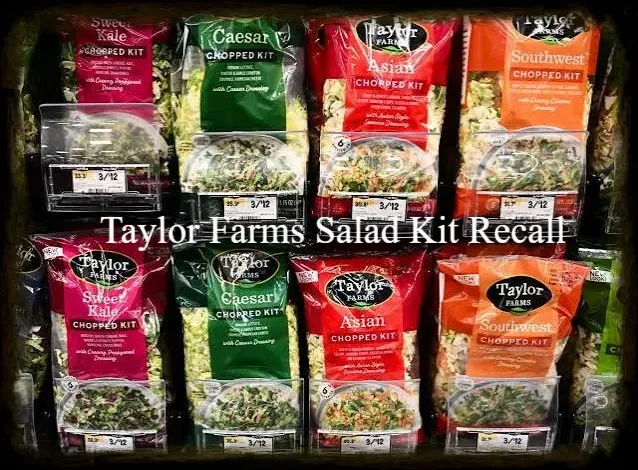
Introduction
You grab a Taylor Farms salad kit from your fridge, ready for a quick and healthy meal. But wait — is it safe to eat? If you bought a Taylor Farms Honey Balsamic Salad Kit recently, you need to stop and read this right now.
In late August 2025, Taylor Fresh Foods issued a voluntary recall of its popular Taylor Farms salad kit. The reason? The wrong salad dressing ended up inside the packaging — and for people with sesame or soy allergies, that mistake could be life-threatening. This is not a small issue. The recall covered 25 states across the United States and affected products sold at some of the country’s biggest grocery stores.
In this article, you will learn exactly what happened, which products are affected, how to identify a recalled kit, what states are involved, and what you should do if you have one at home. Let us break it all down for you.
What Triggered the Taylor Farms Salad Kit Recall?
The Taylor Farms salad kit recall traces back to a supply chain mix-up. A California-based supplier called Latitude 36 Foods provided the individual dressing packets included inside the Taylor Farms Honey Balsamic Salad Kits. The problem is that they sent the wrong dressing entirely.
Instead of the intended Honey Balsamic Vinaigrette, the packets contained Asian Sesame Ginger dressing. That swap introduced two major food allergens — sesame and soy — that were never listed on the product label.
Why This Is So Serious
Sesame and soy are two of the nine most common food allergens recognized in the United States. If you or someone in your family has an allergy or sensitivity to either ingredient, consuming this product unknowingly could trigger a severe or even life-threatening allergic reaction.
The U.S. Food and Drug Administration (FDA) confirmed the recall and published the official notice. As of the recall announcement date, no illnesses had been reported — but that does not mean the risk is gone.
Which Taylor Farms Products Are Recalled?
Not every Taylor Farms product is part of this recall. You need to check the specific details carefully.
Recalled Product:
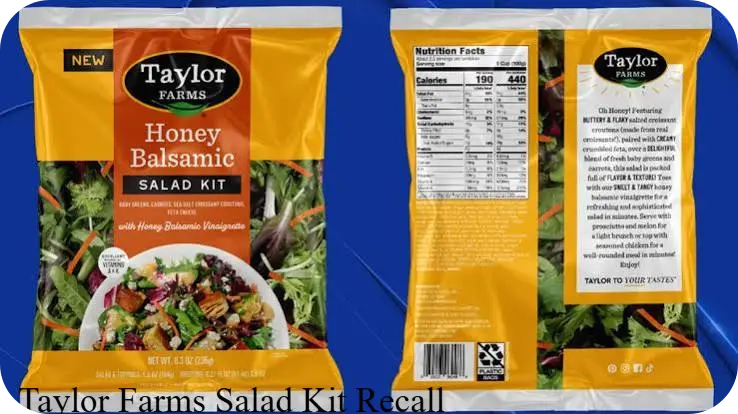
- Taylor Farms Honey Balsamic Salad Kit
- Size: 6/8.3 oz
- Supplier of affected component: Latitude 36 Foods
How to identify the recalled kit:
- Look for code dates starting with “TFRS” on the packaging
- Check the “Best If Used By” date: any date up to and including September 4, 2025 is affected
- The product code appears in the upper right-hand corner of the packaging
The recall does not apply to any other Taylor Farms products or brands. If you have a different salad kit from Taylor Farms, you do not need to worry about this specific issue. Source:https:taylorfarms.
Which States Are Affected?
The recalled Taylor Farms Honey Balsamic Salad Kits were distributed across 25 states. Here is the full list:
Alabama, Arizona, California, Colorado, Delaware, Florida, Georgia, Indiana, Kansas, Kentucky, Louisiana, Michigan, Missouri, Mississippi, New Jersey, New York, Ohio, Oregon, Pennsylvania, Tennessee, Texas, Utah, Virginia, Washington, and West Virginia.
If you live in any of these states and purchased the kit at Kroger or Walmart during the relevant period, check your fridge right away.
Where Were These Kits Sold?
The recalled salad kits were available at two major grocery chains:
- Kroger locations
- Walmart locations
These two retailers serve millions of shoppers every week across the country. That is exactly why the Taylor Farms salad kit recall spread across so many states so quickly.
What Should You Do If You Have the Recalled Kit?
Here is a simple step-by-step guide you can follow right now:
- Check the packaging. Look at the upper right corner for the “TFRS” code and the “Best If Used By” date on or before September 4, 2025.
- Do not eat it. Even if it looks fine and smells okay, do not consume it if it matches the recalled product.
- Throw it out or return it. You can discard the kit immediately or bring it back to the store where you bought it.
- Get a refund. Taylor Fresh Foods has confirmed that refunds are available at the point of purchase.
- Contact the company. If you have questions, call Taylor Fresh Foods’ customer care line at 855-455-0098. They are available Monday through Friday.
Who Is Most at Risk?
Not everyone faces the same level of danger here. If you do not have a sesame or soy allergy, consuming the mislabeled dressing may not cause a reaction. However, you should still discard it as advised.
The groups at highest risk include:
- People with a diagnosed soy allergy
- People with a diagnosed sesame allergy
- Children who have food sensitivities
- Anyone with a history of anaphylaxis triggered by common food allergens
For these individuals, the wrong dressing is not just an inconvenience — it is a potential medical emergency. An undeclared allergen can trigger anaphylaxis, which requires immediate medical attention.
Why Do Food Recalls Like This Happen?
Supply chain errors happen more often than most people realize. Food manufacturers rely on multiple suppliers for ingredients, packaging, and components. When one supplier makes a labeling or packaging error, it can ripple across thousands of products before anyone catches it.
In this case, Latitude 36 Foods made the critical mistake of inserting the wrong dressing packets into the master packs destined for Taylor Farms. The contents did not match the label. By the time the issue was discovered, the kits had already reached store shelves across 25 states.
Taylor Fresh Foods did the right thing by issuing a voluntary recall. This is the responsible action that food companies must take when consumer safety is at risk.
How to Stay Safe From Future Recalls
Food recalls can feel alarming, but you can protect yourself by staying informed. Here are a few practical habits worth building:
- Sign up for FDA email alerts about food recalls
- Check the FDA recall database regularly at fda.gov
- Pay attention to news alerts from your local grocery store
- Always read ingredient labels, especially if you have food allergies
- Keep an eye on “Best If Used By” dates and product codes when recalls are announced
A little awareness goes a long way when it comes to keeping your family safe.
Taylor Farms: A Quick Background
Taylor Farms, operated by Taylor Fresh Foods, is one of the largest producers of fresh salads and vegetable products in North America. The company is known for its wide range of salad kits and packaged produce sold at grocery chains nationwide. With that kind of scale, even a small supply chain error can affect tens of thousands of consumers quickly.
The company has more than 25 years of experience in the food supply industry. The recall was a proactive step, taken before any confirmed injuries were reported, which reflects the company’s commitment to consumer safety.
Conclusion
The Taylor Farms salad kit recall is a serious reminder that food safety depends on every link in the supply chain. The mix-up involved a wrong dressing packet slipped into the Honey Balsamic Salad Kit, introducing undeclared sesame and soy allergens that never appeared on the label.
If you bought this kit at Kroger or Walmart and live in one of the 25 affected states, check your fridge right now. If the code starts with “TFRS” and the Best If Used By date is September 4, 2025 or earlier — throw it out and get your refund.
Your safety comes first. Share this article with friends and family who shop at Kroger or Walmart, especially those with soy or sesame allergies. Have you or someone you know been affected by this recall? Drop a comment and let others know.
Frequently Asked Questions (FAQs)
1. What is the Taylor Farms salad kit recall about? Taylor Fresh Foods voluntarily recalled its Honey Balsamic Salad Kit because the wrong dressing packets were included. The kits contained Asian Sesame Ginger dressing instead of Honey Balsamic Vinaigrette, introducing undeclared sesame and soy allergens.
2. Which Taylor Farms salad kit is recalled? The specific product is the Taylor Farms Honey Balsamic Salad Kit, 6/8.3 oz size. No other Taylor Farms products are included in this recall.
3. How do I know if my salad kit is part of the recall? Check the upper right corner of the packaging for a code starting with “TFRS” and a “Best If Used By” date on or before September 4, 2025.
4. Where were the recalled kits sold? The recalled kits were sold at Kroger and Walmart locations across 25 states.
5. What states are affected by the Taylor Farms recall? The affected states are Alabama, Arizona, California, Colorado, Delaware, Florida, Georgia, Indiana, Kansas, Kentucky, Louisiana, Michigan, Missouri, Mississippi, New Jersey, New York, Ohio, Oregon, Pennsylvania, Tennessee, Texas, Utah, Virginia, Washington, and West Virginia.
6. Has anyone gotten sick from the recalled Taylor Farms salad kit? As of the recall announcement in late August 2025, no illnesses had been reported in connection with this product.
7. Can I get a refund for the recalled Taylor Farms salad kit? Yes. Taylor Fresh Foods confirmed that refunds are available at the store where you purchased the product.
8. Who should be most concerned about this recall? Anyone with a sesame or soy allergy faces the highest risk. Consuming the mislabeled dressing could trigger a severe or life-threatening allergic reaction in sensitive individuals.
9. Who supplied the wrong dressing? Latitude 36 Foods, a California-based supplier, provided the incorrect dressing packets that ended up inside the Taylor Farms salad kits.
10. How can I contact Taylor Fresh Foods about the recall? You can call their customer care line at 855-455-0098, available Monday through Friday from 8 a.m. to 5 p.m. Pacific Time.
Author Bio: Sarah Mitchell is a food safety writer and consumer health advocate with over eight years of experience covering FDA recalls, nutrition policy, and grocery industry news. She is passionate about helping everyday consumers make informed choices about the food they bring home. When she is not researching the latest food alerts, you can find her cooking healthy meals for her family and experimenting with plant-based recipes.