Introduction
Agar aap weather news follow karte hain, to aapne zaroor suna hoga ke North Dakota tornado ek baar phir headlines mein hai. North Dakota ka naam United States ke un states mein aata hai jahan tornado season har saal kaafi active rehta hai. Lekin recent event ne ek baar phir sabko yaad dilaya hai ke ye natural disaster kitni jaldi kisi bhi choti si community ko affect kar sakta hai.
Is article mein hum aapko batayenge ke North Dakota tornado kya hota hai, ye kab aur kahan aaya, kaunsi location sabse zyada affected hui, tornado ki intensity kitni thi, aur kya National Weather Service ne time par warning issue ki thi. Hum Fargo, Bismarck, Grand Forks, Minot aur Jamestown jaise cities ka bhi zikar karenge, saath hi affected counties ki details bhi denge. Chaliye shuru karte hain.
North Dakota Tornado Kya Hai?
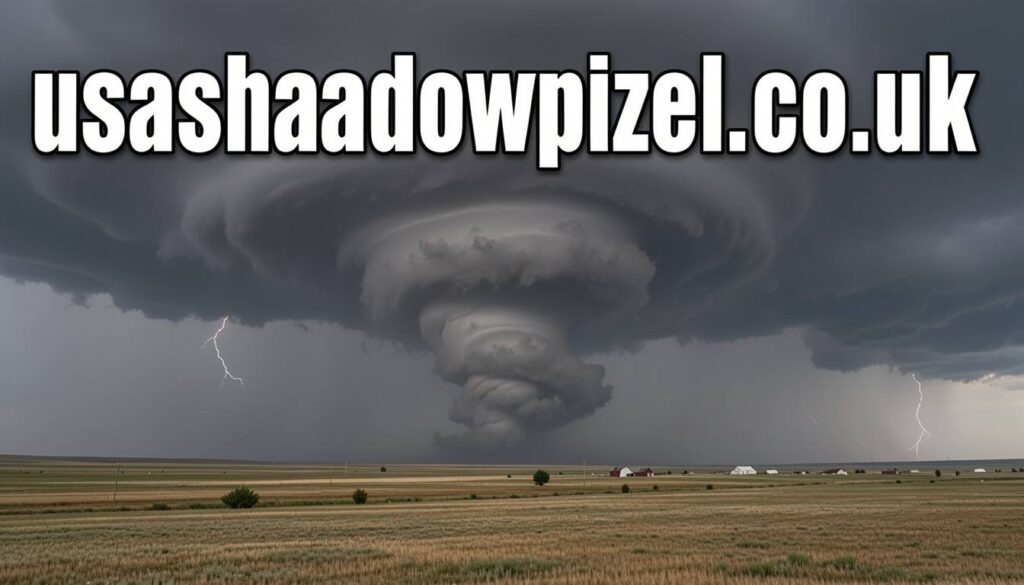
Tornado ek rotating column of air hota hai jo thunderstorm ke base se zameen tak pahunchta hai. North Dakota, jo United States ke Great Plains region mein aata hai, tornado alley ke qareeb hone ki wajah se har saal multiple tornado events dekhta hai. Yahan ka flat terrain aur warm-cold air masses ka takraav is state ko severe weather ke liye ek hotspot bana deta hai.
North Dakota mein tornado season generally May se August tak peak par hota hai. Is duration mein humidity, temperature difference aur wind shear milkar supercell thunderstorms banate hain, jo aage chalkar tornado ka roop le lete hain. source: National Weather Service (.gov)
Tornado Kab Aur Kis Area Mein Aaya?
Recent confirmed event June 7, 2026 ki raat ko hua. National Weather Service ke Bismarck office ne confirm kiya ke Sunday raat do tornadoes touchdown hue.
- Pehla tornado Bowbells ke southeast area mein raat taqreeban 8:50 baje bana.
- Doosra tornado Berthold ke south mein 9:30 baje ke baad dekha gaya. usashadowpixel
Ye dono areas Ward County ke andar aate hain, jo North Dakota ke north-western hisse mein situated hai. Iske ilawa June aur July 2026 ke dauran state ke different parts mein tornado watches aur warnings bhi issue hui hain, jisme severe thunderstorms, large hail aur damaging wind gusts shamil the.
Sabse Zyada Affected Location Kaunsi Thi?
Is event mein sabse zyada affect Bowbells area hua. Yahan tornado ne ek grain bin ko palat diya aur pine trees ke upar hisse ko sheer kar diya. Tornado taqreeban do miles tak northeast direction mein travel karta raha, phir river tak pahunchne se pehle dissipate ho gaya, isliye zyada additional damage nahi hua.
Berthold ka tornado sirf teen minute tak zameen par raha aur waha koi major damage report nahi hua.
Agar hum North Dakota ke bade shehron ki baat karein jo aksar severe weather se affect hote hain, to unme ye shamil hain: usashadowpixel
- Fargo — jo Cass County mein hai aur state ka sabse tornado-prone county mana jata hai.
- Bismarck — jahan recently hailstorm aur strong wind gusts report hue.
- Grand Forks — jo Grand Forks County ka hissa hai aur historically kaafi tornado activity dekh chuka hai.
- Minot — Ward County ka main city, jo recent Bowbells event ke qareeb hai.
- Jamestown — jo 2025 ke record-breaking outbreak ke waqt bhi severe supercell activity ka center bana tha.
Tornado Ki Intensity Kitni Thi?
June 7, 2026 ke Bowbells tornado ko National Weather Service ne EF1 rate kiya. EF scale, yani Enhanced Fujita Scale, tornado ki wind speed aur damage ke basis par intensity measure karta hai. EF1 tornado mein wind speed generally 86 se 110 miles per hour ke beech hoti hai.
Yahan ek important cheez samajhna zaroori hai ke North Dakota recently ek aur bohot bade event se guzar chuka hai. 2025 mein Enderlin, Ransom County ke qareeb aane wala tornado EF5 tak upgrade kiya gaya, jo 200 miles per hour se zyada wind speed ke sath aaya. Ye United States ka pichle 12 saal mein pehla surveyed EF5 tornado tha. Us event mein teen logon ki jaan bhi gayi thi.
Iska matlab ye hai ke North Dakota mein tornado ki intensity kaafi vary karti hai, EF0 jaise halke tornado se lekar EF5 jaise catastrophic events tak. Isi wajah se local authorities har warning ko seriously lena zaroori samajhte hain.
Tornado Intensity Ko Samajhne Ka Tareeqa
Agar aap tornado ki severity samajhna chahte hain, to ye points madadgar honge:
- EF0-EF1: Halka damage, jaise trees aur signs ka girna.
- EF2-EF3: Roofs udna, mobile homes destroy hona.
- EF4-EF5: Poore ghar zameen se ukhad jana, structural collapse.
Kya Tornado Warning Issue Hui Thi?
Ji haan. National Weather Service ne June end 2026 mein multiple tornado watches issue kiye, jisme ye mention tha ke kuch strong tornadoes possible hain, saath mein tennis ball size hail aur 70 mph tak damaging gusts ka bhi khatra tha. Ye watches specifically evening hours mein issue hui thi, jab tornado formation ka risk sabse zyada hota hai. usashadowpixel
Bowbells aur Berthold ke tornadoes se pehle bhi local meteorologists ne social media aur weather alerts ke zariye logon ko agah kiya tha. Ye warning system North Dakota mein kaafi effective mana jata hai, kyunki state har saal apne tornado records regularly track karta hai.
Waise bhi 2025 North Dakota ke liye ek record-breaking saal raha, jab total 82 tornadoes report hue aur June 20 ko sirf ek din mein 24 tornadoes touchdown hue, jo state ka all-time daily record barabar kar gaya. Is trend ne warning systems ko aur zyada improve karne par zor diya hai.
Affected Counties Ki List
Recent aur historical tornado activity ko dekhte hue, ye counties North Dakota mein sabse zyada affected rehte hain:
- Ward County (Bowbells, Berthold)
- Cass County (Fargo ke aas paas, sabse zyada tornado-prone)
- Grand Forks County
- Barnes County
- Ransom County (2025 ka EF5 Enderlin tornado)
- Steele County (strong wind gusts ke liye known)
- Kidder County
- Oliver County aur Walsh County (large hail events ke liye)
North Dakota Mein Khud Ko Safe Kaise Rakhein?
Main personally recommend karta hoon ke agar aap North Dakota ya kisi bhi tornado-prone area mein rehte hain, to ye steps zaroor follow karein:
- Apne phone par weather alerts on rakhein.
- Ghar mein ek basement ya interior room ko safe shelter ke tor par identify karein.
- Emergency kit tayar rakhein jisme paani, torch aur first aid shamil ho.
- Jab tornado watch issue ho, to updates par nazar rakhein, panic na karein.
Conclusion
North Dakota tornado events sirf ek isolated incident nahi hain balke is state ke seasonal pattern ka hissa hain. June 2026 ka Bowbells aur Berthold tornado EF1 intensity ka tha aur zyada nuksan nahi pahunchaya, lekin 2025 ka Enderlin EF5 tornado is baat ka saboot hai ke North Dakota mein tornado kabhi bhi extreme level tak pahunch sakta hai.
Agar aap North Dakota ya us jaisi kisi tornado-prone area mein rehte hain, to warnings ko hamesha seriously lein aur apna emergency plan tayar rakhein. Kya aapke area mein bhi kabhi tornado warning issue hui hai? Apna experience comments mein share karein aur ye article un logon ke sath share karein jo North Dakota weather updates follow karte hain.
FAQs
1. North Dakota tornado kis mahine mein sabse zyada aata hai? May se August tak North Dakota mein tornado season peak par hota hai.
2. North Dakota ka sabse tornado-prone county kaunsa hai? Cass County, jaha Fargo situated hai, sabse zyada tornado activity record karta hai.
3. North Dakota ka sabse bada tornado kaunsa tha? 2025 ka Enderlin EF5 tornado, jisne 210 mph se zyada wind speed record ki.
4. Kya North Dakota mein tornado warning app available hai? Ji haan, National Weather Service aur local news stations real-time tornado alerts provide karte hain jo aap phone par receive kar sakte hain.
5. EF scale kya hota hai? Enhanced Fujita Scale tornado ki intensity ko wind speed aur damage ke basis par EF0 se EF5 tak measure karta hai.
6. Bowbells North Dakota kis county mein hai? Bowbells, Ward County mein situated hai.
7. Kya Fargo mein tornado ka khatra rehta hai? Ji haan, Fargo Cass County mein aata hai jo state ka most tornado-affected county hai.
8. North Dakota mein kitne tornadoes har saal aate hain? 2025 mein record 82 tornadoes report hue, jabke average sath saal se kam rehta hai.
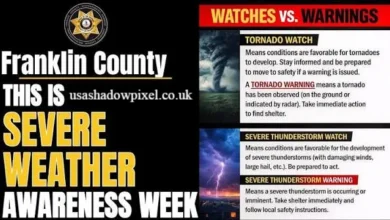
9. Tornado watch aur tornado warning mein kya farq hai? Watch ka matlab conditions favorable hain, jabke warning ka matlab tornado dekha ya detect kiya ja chuka hai aur immediate action zaroori hai.
10. Kya North Dakota tornado se ghar insured ho sakta hai? Ji haan, zyada tar homeowners insurance policies tornado damage cover karti hain, lekin apni policy details verify karna zaroori hai.
also read: usashadowpixel.co.uk
email: johanharwen@314gmail.com
Author Name: Yeh article
About the Author : Yeh article ek weather aur natural disaster topics par likhne wale content writer ne prepare kiya hai, jo US ke severe weather events ko simple aur asaan Hinglish zaban mein cover karte hain taake har reader ko clear aur reliable information mil sake.