Introduction
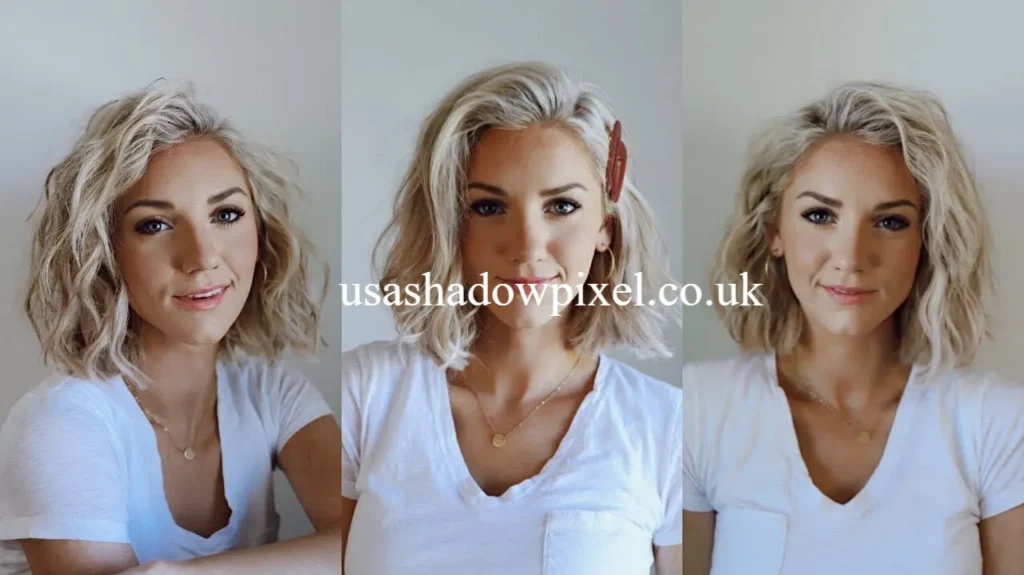
You’ve seen those effortless, beachy waves all over social media and wondered: how do people get their hair to look like that so easily? The secret tool sitting behind most of those styles is a hair waver. It is simple, quick, and honestly a game changer for anyone who wants textured, voluminous waves without spending hours in a salon.
The Best Hair Waver is a styling tool with multiple barrel plates that create natural-looking waves in one press. Unlike a curling iron that wraps hair around a single barrel, a hair waver crimps the hair into a flowing wave pattern. The result looks relaxed, sun-kissed, and totally effortless.
In this article, you will learn everything you need to know about hair wavers: how they work, how to choose the right one, how to protect your hair, and how to make those waves last all day. Whether you are a complete beginner or upgrading your styling game, this guide covers it all.
What Is a Hair Waver and How Does It Work?
A hair waver is a heat styling tool that uses two or three connected barrel plates. When you clamp a section of hair between those plates and hold for a few seconds, the hair takes the shape of those barrels and forms an S-shaped wave.
The tool works through direct heat application. The plates heat up to a set temperature, and the heat temporarily reshapes the hair’s protein bonds into a wavy pattern. The wave stays in place as the hair cools down, which is why you should let each section cool before touching it.
Most hair wavers come with temperature controls, so you can adjust the heat based on your hair type. Fine hair needs lower heat (around 150°C), while thick or coarse hair may need higher settings (up to 230°C). Source:expertreviews
Types of Hair Wavers You Should Know About
Not all hair wavers are the same. The type you choose makes a big difference in your results.
Ceramic Hair Waver Ceramic plates distribute heat evenly across the hair. This reduces hot spots that can cause damage. Ceramic wavers are the most beginner-friendly option because they are gentle and consistent.
Titanium Hair Waver Titanium heats up faster and reaches higher temperatures. This makes it ideal for thick, coarse, or hard-to-style hair. It is a professional-grade choice.
Tourmaline Hair Waver Tourmaline plates emit negative ions that reduce frizz and add shine. If your hair tends to puff up after styling, a tourmaline waver can help.
Mini Hair Waver Mini wavers have smaller barrels and shorter plates. They work perfectly on short hair or for creating tighter, more defined waves. If your hair is above the shoulders, a mini waver is the right pick.
Triple Barrel vs. Double Barrel Triple barrel wavers create more defined, uniform waves. Double barrel wavers give a softer, more natural finish. Both styles look beautiful depending on what you want.
How to Use a Hair Waver Step by Step
Using a hair waver is easier than it looks. Follow these steps for the best results.
- Start with clean, completely dry hair. Never use a heat tool on wet hair.
- Apply a heat protectant spray or serum from roots to ends. This step is not optional.
- Divide your hair into sections. Work from the bottom layers up to the top.
- Clamp a section of hair between the plates close to the roots.
- Hold the waver in place for 5 to 10 seconds, then gently release.
- Move down the hair shaft and repeat until you reach the ends.
- Let the wave cool completely before touching it.
- Once all sections are done, run your fingers through the waves lightly to loosen them.
- Finish with a light hold hairspray to lock the style in place.
Pro Tip: Alternate the direction of your waver on each section for a more natural, less uniform wave pattern.
Does a Hair Waver Damage Your Hair?
This is one of the most common concerns, and the honest answer is: it depends on how you use it.
Excessive heat on unprotected hair will cause damage over time. You may notice dryness, breakage, or split ends if you skip the heat protectant or use the highest temperature setting every single day.
However, using a hair waver responsibly causes very little damage. Here is how to keep your hair healthy:
- Always apply a heat protectant before styling.
- Use the lowest effective temperature for your hair type.
- Avoid holding the waver in place for more than 10 seconds.
- Do not style your hair with heat every single day.
- Deep condition your hair once a week to restore moisture.
If you follow these steps, your hair can stay healthy while you enjoy beautiful waves regularly.
How Long Do Hair Waver Curls Last?
Wave longevity depends on a few factors: your hair type, the products you use, and the humidity in your environment.
On average, waves created by a hair waver last between 8 and 24 hours. Fine or straight hair tends to hold waves for a shorter time, while thicker or naturally textured hair holds waves longer.
To extend the life of your waves:
- Use a light hold hairspray right after styling.
- Avoid touching your hair too much throughout the day.
- Sleep with your hair in a loose bun or braid to preserve the shape.
- Use dry shampoo the next morning to refresh volume and texture.
With the right technique, your waves can last well into the next day.
Hair Waver vs. Curling Iron: Which One Is Better?
Both tools create beautiful styles, but they serve different purposes.
A hair waver is better for creating natural, beachy, relaxed waves. The result looks effortless and works for casual as well as semi-formal occasions. It is also faster to use because the barrel covers a larger section of hair in one go.
A curling iron is better for tight, defined curls. If you want ringlets or structured curls, a curling iron gives you more control over the shape and size.
For everyday styling, many people find the hair waver more versatile and easier to use. If beach waves are your goal, a hair waver wins every time.
Choosing the Best Hair Waver for Your Hair Type
Buying the right waver saves you time and protects your hair. Here is a quick guide.
Fine or Thin Hair: Choose a ceramic waver with adjustable temperature settings. Stick to lower heat (150°C to 170°C) to avoid damage.
Thick or Coarse Hair: A titanium waver with higher heat capacity (up to 230°C) will get the job done faster and hold the style longer.
Short Hair: A mini hair waver with smaller barrels suits short hair perfectly. It gives you control over shorter sections.
Frizzy Hair: Go for a tourmaline waver. The negative ions help smooth the hair cuticle and reduce frizz while creating waves.
Beginners: A ceramic hair waver with adjustable temperature is the safest and easiest starting point. It is gentle, reliable, and produces consistent results.
Top Features to Look for in a Hair Waver
Before you buy, check for these features:
- Adjustable temperature control so you can match the heat to your hair type.
- Fast heat-up time ideally under 30 seconds, so you are not waiting around.
- Auto shut-off for safety, especially if you are forgetful in the morning.
- 360-degree swivel cord to make styling easier without tangling.
- Even plate heating to avoid hot spots that can scorch hair.
- Ergonomic grip so your hand does not get tired during styling.
These features separate a good waver from a great one.
Samsung Refrigerator Ice Maker
Conclusion
A hair waver is one of the most rewarding tools you can add to your styling routine. It is quick, versatile, and delivers beautiful results that look like you spent hours on your hair even when you did not.
Start with a ceramic waver if you are new to this. Use a heat protectant every single time. Keep your heat settings reasonable. And enjoy the confidence that comes with gorgeous, effortless waves.
Now it is your turn. Have you tried a hair waver before, or are you still on the fence? Drop your questions or share your experience. Your next great hair day is closer than you think.
Simone Biles Net Worth
Frequently Asked Questions (FAQs)
Q1: What is the best hair waver for beginners? A ceramic hair waver with adjustable temperature settings is the best choice for beginners. It distributes heat evenly, is gentle on hair, and is easy to control.
Q2: Does a hair waver damage hair? Using excessive heat without protection can damage hair over time. However, using a heat protectant and keeping temperatures moderate significantly reduces the risk.
Q3: How long do hair waver curls last? Waves typically last between 8 and 24 hours depending on your hair type, the products you use, and weather conditions.
Q4: Is a hair waver better than a curling iron? For beach waves and a relaxed look, a hair waver is the better choice. For tight, defined curls, a curling iron gives more control.
Q5: Can I use a hair waver on short hair? Yes. A mini hair waver with smaller barrels works perfectly on short hair and gives you great control over each section.
Q6: How often should I use a hair waver? For healthy hair, limit heat styling to two or three times per week. Always use a heat protectant when you do.
Q7: What temperature should I use for a hair waver? Fine hair: 150°C to 170°C. Medium hair: 170°C to 200°C. Thick or coarse hair: 200°C to 230°C.
Q8: Can I use a hair waver on color-treated hair? Yes, but be extra careful. Color-treated hair is more prone to heat damage. Use lower temperatures and always apply a heat protectant.
Q9: How do I make waves last longer? Apply a heat protectant before styling, use a light hold spray after, avoid touching the waves while they cool, and sleep with hair in a loose braid.
Q10: What is the difference between a 2-barrel and 3-barrel hair waver? A 2-barrel waver creates softer, more natural waves. A 3-barrel waver produces more defined, uniform waves. Both are great depending on the look you want.
Best Finance Books for Beginners
About the Author: Sara Malik is a beauty and lifestyle writer with over six years of experience covering hair care, skincare, and styling tools. She has a passion for breaking down complex beauty routines into simple, practical advice that real people can actually use. When she is not testing the latest hair tools, she is probably perfecting her own beach wave look.