Introduction
Have you ever felt lost when someone starts talking about stocks, budgets, or compound interest? You are not alone. Most of us never learned how to manage money in school, and that gap can feel overwhelming once bills, loans, and savings goals enter the picture. The good news is that the best finance books for beginners can fill that gap in a simple and enjoyable way. These books break down complex money topics into stories and lessons anyone can understand, even if you have never balanced a budget before. In this article, you will discover which books to pick up first, what they teach, and how they can help you build real financial confidence. Whether you want to save more, invest wisely, or simply understand your paycheck better, this guide will point you in the right direction.
Why Finance Books Matter for Beginners
Most financial mistakes happen because of a lack of knowledge, not a lack of income. You could earn a great salary and still struggle if you never learned how money actually works. Finance books give you that missing education in plain language, without confusing jargon or complicated formulas. Source:due
They teach you:
Basic budgeting habits Smart saving strategies Simple ways to start investing A healthy mindset around money
Reading even one solid book can change how you think about spending and saving for years to come.
What Is the Best Finance Book for Beginners?
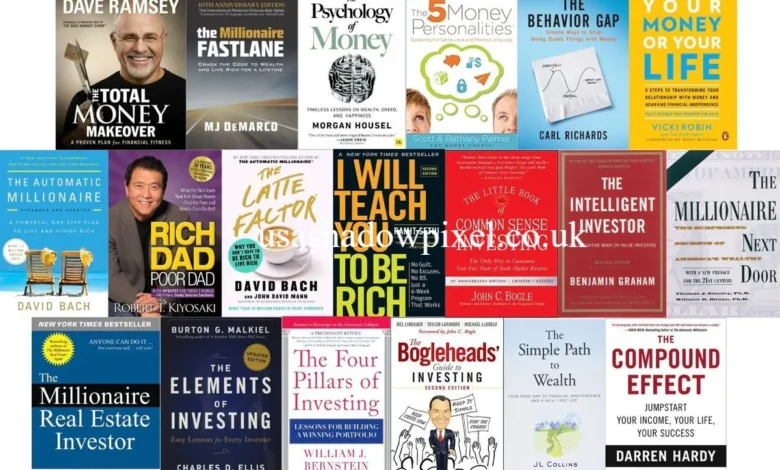
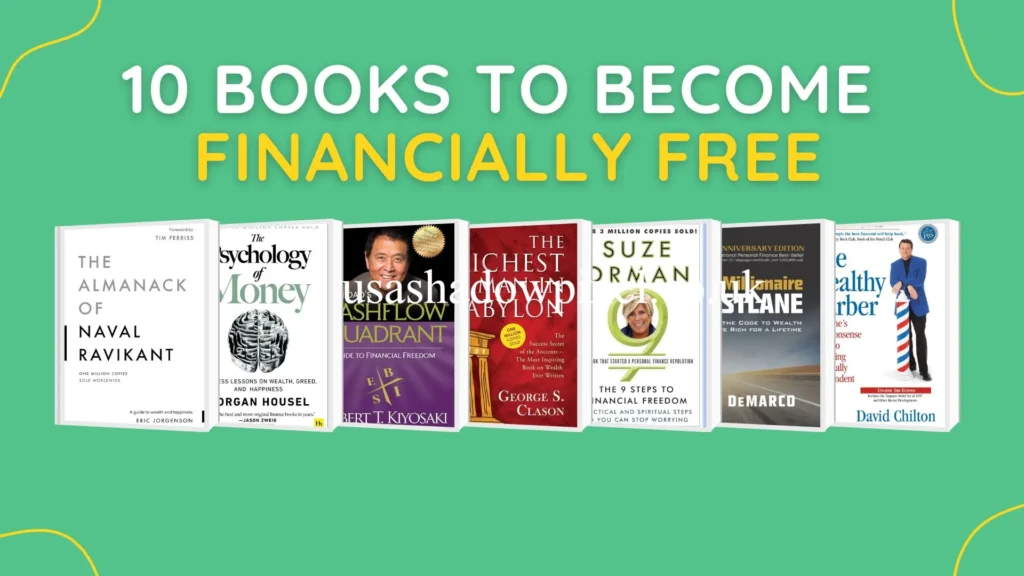
This is probably the question you searched for, so let us answer it directly. The Psychology of Money by Morgan Housel and Rich Dad Poor Dad by Robert Kiyosaki are two of the most recommended books for anyone starting their financial journey.
The Psychology of Money focuses on how emotions and behavior shape your money decisions. It explains why smart people still make poor financial choices and how mindset matters more than math.
Rich Dad Poor Dad compares two different approaches to money through relatable storytelling. It introduces ideas like assets, liabilities, and financial independence in a way that sticks with you.
Both books use simple language, so you do not need a finance degree to understand them. I personally found The Psychology of Money easier to relate to daily life, since it focuses more on behavior than technical strategy.
Which Finance Book Should You Read First?
If you are unsure where to begin, start with a book that explains money mindset and budgeting basics before jumping into investing guides. Understanding your relationship with money is the foundation everything else builds on.
Here is a simple order that works well for most beginners:
Start with a mindset book like The Psychology of Money Move to a budgeting and saving guide Then explore an introductory investing book
This order helps you build confidence step by step instead of feeling overwhelmed by advanced topics too soon.
Top Finance Books for Beginners to Explore
Below are some widely loved options that beginners often turn to.
The Psychology of Money by Morgan Housel
This book explains that financial success is more about behavior than intelligence. It uses short stories to show how patience and discipline beat complex strategies.
Rich Dad Poor Dad by Robert Kiyosaki
A classic that challenges traditional beliefs about jobs, income, and wealth building. It encourages readers to think like investors rather than employees.
I Will Teach You to Be Rich by Ramit Sethi
This book offers a practical, step by step system for automating savings, paying off debt, and investing without stress. It feels like a friendly coach guiding you through your finances.
Your Money or Your Life by Vicki Robin
This one connects spending habits to life energy and helps you rethink what truly matters when it comes to money and happiness.
The Total Money Makeover by Dave Ramsey
A straightforward guide focused on eliminating debt and building an emergency fund before moving toward investing.
Can Finance Books Help You Save Money?
Yes, finance books teach practical habits like budgeting, tracking expenses, and cutting unnecessary spending. Many beginner friendly books include real exercises you can apply immediately, such as creating a monthly budget or setting up an automatic savings plan.
Some common saving lessons you will find across these books include:
Paying yourself first before spending Tracking every expense for better awareness Building an emergency fund for unexpected costs Avoiding lifestyle inflation as your income grows
These small habits add up over time and often make a bigger difference than complicated investment tricks.
Are Finance Books Useful for Investing Beginners?
Absolutely, many beginner finance books explain investing basics such as stocks, ETFs, index funds, and the power of compound growth. You do not need to start with complicated trading strategies. Instead, these books focus on long term wealth building through patience and consistency.
For example, several books explain why starting early with even small amounts can outperform waiting to invest large sums later. This lesson alone can shift how a beginner approaches saving for retirement or long term goals.
How Many Finance Books Should a Beginner Read?
Reading three to five quality finance books can give you a strong foundation in personal finance. There is no need to read dozens of books before taking action. Instead, focus on understanding core principles and then apply them consistently.
A good starting combination looks like this:
One book on money mindset One book on budgeting and saving One book on basic investing One book on debt management if needed
Once you understand these fundamentals, real experience becomes your best teacher.
Tips to Get the Most Out of Finance Books
Reading alone will not change your finances unless you take action. Here are a few tips that help beginners actually apply what they learn.
Take notes while reading important chapters Apply one lesson at a time instead of trying everything at once Revisit chapters when you need motivation or clarity Discuss ideas with a friend or family member for accountability
I always suggest picking just one habit from a book and practicing it for a full month before adding another. This keeps things simple and prevents burnout.
Is Bronny James Good?
Conclusion
Learning about money does not have to feel intimidating. The best finance books for beginners simplify complex ideas into lessons you can apply right away, whether that means saving more, spending wisely, or starting your first investment. Books like The Psychology of Money and Rich Dad Poor Dad offer a strong starting point, while others like I Will Teach You to Be Rich and The Total Money Makeover add practical steps for everyday life. Pick one book, start reading today, and take small consistent steps toward financial confidence. Which finance book are you planning to read first? Share your thoughts and let others know your pick too.
Paraguay Currency Guide
Frequently Asked Questions
What is the best finance book for beginners?
The Psychology of Money and Rich Dad Poor Dad are popular choices because they explain financial concepts in simple language.
Which finance book should I read first?
Beginners should start with books that explain money mindset, budgeting, and basic financial principles.
Can finance books help me save money?
Yes, finance books teach budgeting, spending control, and saving strategies.
Are finance books useful for investing beginners?
Yes, many beginner finance books explain investing basics like stocks, ETFs, and long term wealth building.
How many finance books should a beginner read?
Reading three to five quality finance books can provide a strong foundation in personal finance.
Do I need financial knowledge before reading these books?
No, these books are written for beginners and use simple language without technical jargon.
Are these books suitable for young adults and students?
Yes, most of these books are beginner friendly and useful for young adults just starting their financial journey.
Should I read finance books or listen to audiobooks?
Both formats work well. Choose whichever helps you stay consistent and focused while learning.
CNBC Stock Market
Author Bio
The author is a personal finance enthusiast who enjoys simplifying money topics for everyday readers. With a passion for helping beginners build healthy financial habits, the author focuses on practical, easy to understand guidance that anyone can apply to their daily life.