

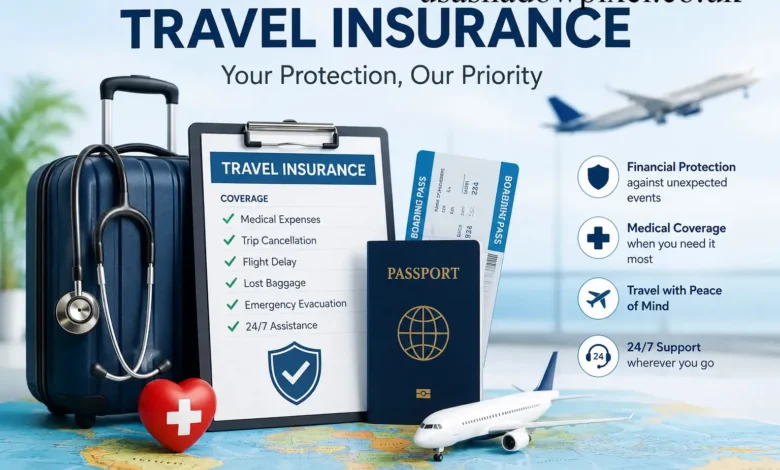
Introduction
Picture this. You have spent months planning the perfect trip. Flights are booked, hotels are paid, and your bags are half-packed. Then life happens. A sudden illness, a family emergency, or a massive storm rolls in and your entire trip comes crashing down before it even starts. Without the right protection in place, you could lose hundreds or even thousands of dollars in non-refundable bookings.
That is exactly where flight cancellation insurance comes in. It is one of those things most travelers overlook until they desperately wish they had it. This article breaks down everything you need to know, including what it actually covers, whether it is worth buying, how it compares to other travel protections, and how to file a claim if things go sideways. Whether you are a frequent flyer or planning your first big trip, this guide will help you make a smarter, more confident decision.
What Is Flight Cancellation Insurance?
Flight cancellation insurance is a type of travel protection that reimburses you for non-refundable trip costs if your flight is canceled or if you need to cancel your trip for a covered reason. It can be purchased as a standalone policy or as part of a broader travel insurance plan.
Most policies cover the cost of your ticket if the cancellation happens due to specific qualifying events. These include things like illness, injury, a death in the family, severe weather, natural disasters, or airline bankruptcy. The key phrase here is “covered reason.” Not every reason for canceling qualifies, which is why reading the fine print matters so much. source: Squaremouth Travel Insurance
It is worth noting that flight cancellation insurance is not the same as what airlines call their own cancellation policies. Airlines may offer vouchers or rebooking options, but they rarely give you a full cash refund. Insurance fills that gap.
What Does Flight Cancellation Insurance Cover?
Coverage varies by provider and plan, but most standard flight cancellation insurance policies include the following.
Covered events typically include:
- Sudden illness or injury affecting you or a traveling companion
- Death of a family member or travel companion
- Severe weather that makes travel impossible
- Natural disasters at your destination or departure city
- Jury duty or unexpected legal obligations
- Job loss after purchasing your ticket
- Airline insolvency or bankruptcy
- Military deployment or government travel bans
What is usually not covered:
- Changing your mind about the trip
- Pre-existing medical conditions (unless you add a waiver)
- Pandemics or epidemics in some standard policies
- Fear of travel or general anxiety about flying
- Cancellations due to financial hardship not caused by job loss
Understanding the difference between what is and is not covered is critical before you buy. I always recommend reading the exclusions section first. That is where the real story is.
Is Flight Cancellation Insurance Worth Buying?
This is the big question and the honest answer is: it depends on your trip.
If you are booking a cheap domestic flight with a flexible or refundable ticket, you probably do not need it. The cost of the insurance might actually exceed the value of what you are protecting.
However, if you are booking an international trip, a cruise package, a non-refundable hotel bundle, or any trip where the total cost is significant, flight cancellation insurance starts making a lot of sense. According to the US Travel Insurance Association, travelers who purchased trip cancellation coverage recovered an average of several hundred dollars per claim. For long-haul or premium trips, that number climbs significantly.
Here is a simple way to think about it: if losing the money you spent would genuinely hurt you financially or emotionally, buy the protection. If you can afford to walk away from it, you might skip it.
Quick Pros and Cons
Pros:
- Reimburses non-refundable costs
- Covers unexpected medical emergencies
- Provides peace of mind before and during travel
- Some plans include additional benefits like trip interruption coverage
- Can cover multiple travelers under one family plan
Cons:
- Does not cover every reason for cancellation
- Adds to overall trip cost
- Claim process can take weeks
- Pre-existing conditions often excluded
- Some plans have low payout caps
Does Travel Insurance Refund Canceled Flights?
Yes, travel insurance can refund the cost of canceled flights, but only under qualifying circumstances. If your flight is canceled by the airline itself, you are actually entitled to a refund under most airline policies and in many countries, under consumer protection laws.
Where travel insurance truly shines is when YOU are the one canceling. If you have to cancel because you got sick, a family member passed away, or your home was damaged in a storm, travel insurance steps in to reimburse those non-refundable costs. The airline will not do that on their own.
The claim process typically works like this: source: Adamjee Insurance
- Something happens that forces you to cancel
- You notify your airline and request any available refunds or credits
- You contact your insurance provider and begin a claim
- You submit documentation such as a doctor’s note, death certificate, or police report
- The insurer reviews your claim and issues reimbursement for covered expenses
Keep every receipt and document everything from the moment the issue arises. This makes the claim process much smoother.
Can I Cancel My Flight for Any Reason?
Standard flight cancellation insurance only covers specific, listed reasons. But there is a special upgrade called Cancel for Any Reason (CFAR) coverage that gives you much more flexibility.
With CFAR, you can cancel your trip for literally any reason and still receive a partial reimbursement, typically between 50 and 75 percent of your non-refundable costs. Changed your mind? Got a better offer? Just do not feel like going anymore? CFAR has you covered.
The trade-off is that CFAR coverage costs more, usually 40 to 60 percent more than a standard policy. You also typically need to purchase it within a short window after your initial trip deposit, often within 10 to 21 days. And you usually need to cancel at least 48 hours before your departure.
For high-cost trips or travelers who value maximum flexibility, CFAR is absolutely worth the extra investment.

Flight Cancellation Insurance vs. Airline Policies: What Is the Difference?
Many travelers assume the airline will take care of them if something goes wrong. Sometimes that is true. Often it is not.
Here is a quick comparison to make it clear.
| Situation | Airline Policy | Flight Cancellation Insurance |
|---|---|---|
| Airline cancels your flight | Usually full refund or rebooking | Not typically needed here |
| You cancel due to illness | No refund on non-refundable tickets | Covered with documentation |
| You cancel due to job loss | No refund | Covered under most plans |
| Weather causes cancellation | Voucher or rebooking, varies | Covered depending on severity |
| You just change your mind | No refund | Only covered with CFAR |
| Pre-existing condition flare | No refund | Covered only with waiver added |
As you can see, the real value of flight cancellation insurance kicks in when the airline’s own policies leave you empty-handed.
Coverage Examples: Real Situations Where It Pays Off
Sometimes the best way to understand a product is to see it in action.
Example 1: Maria books a $2,400 international flight to Italy. Three weeks before departure, she fractures her ankle and cannot travel. Her ticket is non-refundable. With flight cancellation insurance, she submits a claim with her doctor’s note and gets fully reimbursed.
Example 2: James books a family vacation package worth $6,000. His employer unexpectedly lays him off two weeks before the trip. His policy includes job loss as a covered reason. He files a claim and recovers the full non-refundable amount.
Example 3: Priya purchases CFAR coverage for a $3,500 trip. A month before departure, she simply decides she does not want to travel that year. She cancels 72 hours in advance and receives 75 percent of her non-refundable costs back, saving her over $2,600.
These examples show why the right policy at the right time can be a genuine financial lifesaver.
Step-by-Step Guide to Filing a Flight Cancellation Insurance Claim
Filing a claim does not have to be stressful. Follow these steps and you will give yourself the best chance of a smooth, successful reimbursement.
Step 1: Notify everyone immediately. Contact your airline, hotel, and any other vendors as soon as you know you need to cancel. Request any refunds or credits they can offer. Document who you spoke to and when.
Step 2: Gather your documentation. This depends on your reason for canceling. Medical cancellations need a signed doctor’s note. Death in the family requires an official death certificate. Job loss requires a termination letter from your employer.
Step 3: Contact your insurance provider. Most insurers have a 24-hour claims hotline. Call them early. Some policies require you to notify them within a specific window after the canceling event occurs.
Step 4: Complete the claim form. Fill it out accurately and completely. Attach all supporting documents. Keep copies of everything you send.
Step 5: Follow up regularly. Claims can take anywhere from 10 to 30 business days to process. Check in periodically and respond quickly to any requests for additional information.
Step 6: Review the decision. If your claim is approved, you will receive reimbursement via check or direct deposit. If it is denied, you have the right to appeal. Ask for the specific reason in writing and seek a second review if needed.
Expert Travel Advice: What Experienced Travelers Know
Experienced travelers tend to follow a few unwritten rules when it comes to trip protection. Here are the ones worth adopting.
Buy your insurance within 24 to 48 hours of your first trip deposit. This gives you access to the widest range of coverage options, including pre-existing condition waivers.
Never assume your credit card travel protection is enough. Many cards offer some form of trip cancellation benefit, but coverage limits are often low and exclusions are broad. Read the terms carefully before relying on it.
Compare at least three policies before buying. Coverage, limits, and exclusions vary significantly between providers. Use a comparison tool or work with a licensed travel insurance agent if your trip is particularly expensive or complex.
Always buy coverage that protects the total trip cost, not just the flight. If your hotel and excursions are non-refundable too, those should be included in your coverage amount.
Conclusion
Flight cancellation insurance is not just a nice-to-have extra. For the right trip, it is one of the smartest financial decisions you can make before you ever leave the house. It bridges the gap between what airlines will and will not refund, protects you from life’s unexpected curveballs, and gives you the freedom to travel with genuine confidence.
The key is understanding what your policy covers, buying it early, and keeping your documentation organized if you ever need to file a claim. If you are planning any trip where losing the money would sting, flight cancellation insurance deserves a serious look.
Have you ever had a flight canceled at the worst possible moment? What did you wish you had in place? Share your story or pass this article along to a friend who has a big trip coming up.
Frequently Asked Questions
Q: What is flight cancellation insurance? A: It is a type of travel protection that reimburses non-refundable flight and trip costs if you must cancel due to a covered reason such as illness, injury, or severe weather.
Q: Is flight cancellation insurance worth it? A: For expensive or non-refundable trips, yes. If losing your investment would be a significant financial blow, the peace of mind alone is worth the cost.
Q: Does travel insurance cover airline cancellations? A: If the airline cancels the flight, you are generally entitled to a refund directly from the airline. Insurance is more useful when you are the one who needs to cancel.
Q: What is Cancel for Any Reason coverage? A: It is an optional upgrade that lets you cancel your trip for literally any reason and still recover 50 to 75 percent of your non-refundable costs.
Q: How soon after booking should I buy flight cancellation insurance? A: Ideally within 24 to 48 hours of your first deposit. This unlocks the most coverage options and the widest protection window.
Q: Will flight cancellation insurance cover a pre-existing condition? A: Not automatically. You usually need to purchase a pre-existing condition waiver, and it must be bought within a specific window after your initial deposit.
Q: How long does a claim take to process? A: Most claims are processed within 10 to 30 business days, though this varies by insurer and claim complexity.
Q: Can I buy flight cancellation insurance after I have already booked my trip? A: Yes, you can purchase it after booking, but waiting reduces your access to certain benefits like CFAR and pre-existing condition coverage.
Q: Does credit card travel insurance replace a separate policy? A: Rarely. Credit card coverage often has lower limits and broader exclusions. It can complement a policy but should not be your only protection for a costly trip.
Q: What documents do I need to file a flight cancellation claim? A: It depends on the reason. Common documents include doctor’s notes, death certificates, termination letters, and all original booking receipts.
About the Author : James Calloway is a travel writer and consumer finance journalist with more than a decade of experience covering insurance, personal finance, and international travel. He has written for several leading travel and lifestyle publications and is known for translating complex insurance language into practical, everyday advice. James has personally navigated travel insurance claims on three continents and brings both professional expertise and real-world experience to every article he writes.
email: johanharwen@314gmail.com
Author Name: James Calloway